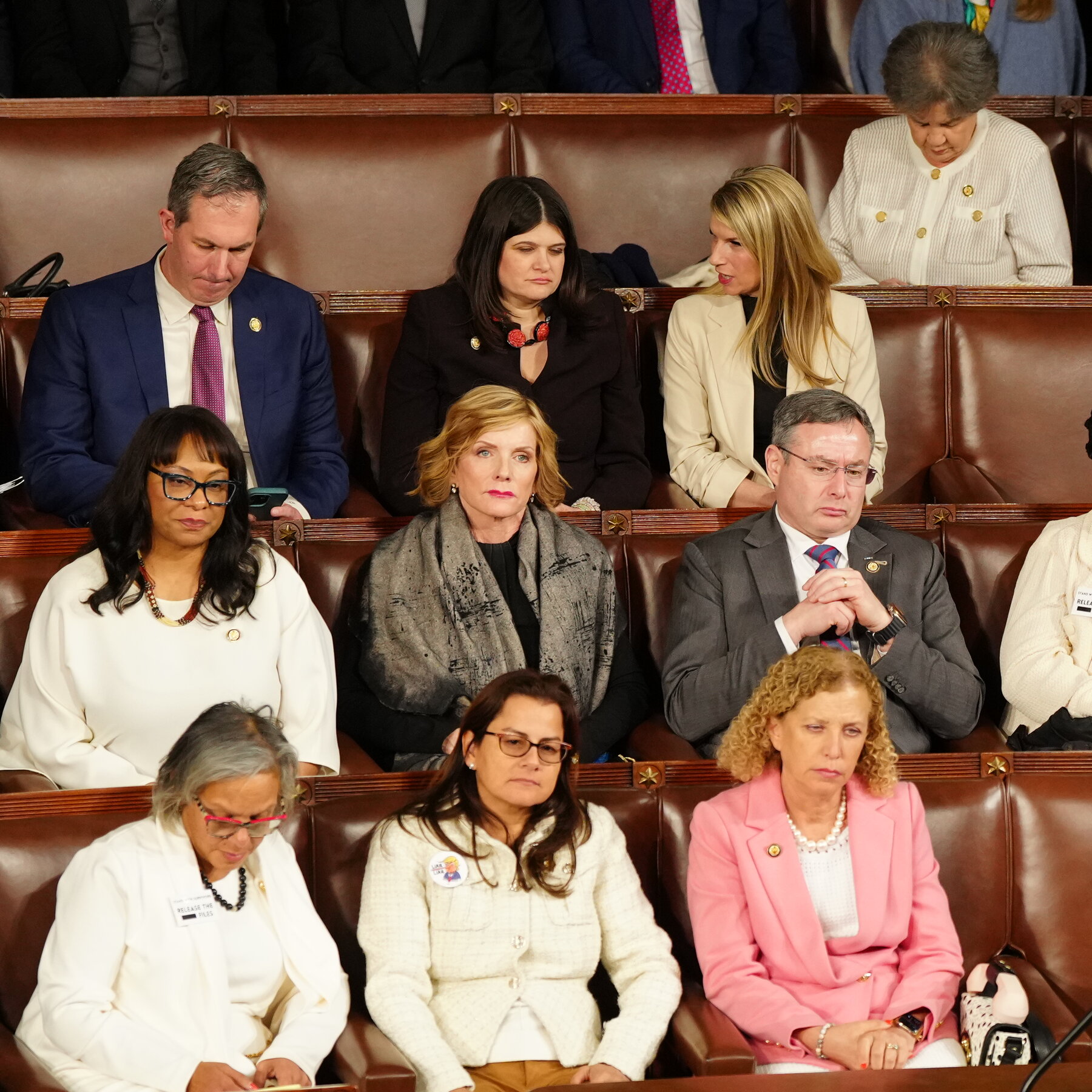
STATE OF THE UNION—On the eve of the State of the Union address, Democratic congresswomen issued a call to arms – or rather, a call to wear white – in a symbolic show of solidarity and protest. But as the night wore on, it became clear that the message had not been received, and the would-be protest fell flat. What happened, and what does it say about the state of politics and protest in the US today?
The White Pantsuit: A Symbol of Feminist Resistance
The white pantsuit has long been a symbol of feminist resistance and solidarity, dating back to the suffragette movement. So when Democratic congresswomen put out the call to wear white to the State of the Union, it seemed like a powerful and poignant statement. But as the night wore on, it became clear that the message had not been received, and the would-be protest fell flat.
The History of the White Pantsuit
The white pantsuit has a long and storied history as a symbol of feminist resistance. From the suffragettes to the modern-day Women’s March, the white pantsuit has been a powerful and enduring symbol of female solidarity and strength. But on this night, it seemed to fall flat.
The Call to Action: What Went Wrong?
So what went wrong? Why did the call to wear white to the State of the Union address fail to materialize? One reason may be the lack of clear messaging and organization behind the protest. Without a clear leader or unified message, the protest seemed to fizzle out before it even began.
The Importance of Clear Messaging
Clear messaging and organization are key to any successful protest or movement. Without a clear and unified message, it can be difficult to mobilize supporters and create a sense of momentum and energy. In this case, the lack of clear messaging may have contributed to the protest’s lack of impact.
The State of Politics and Protest in the US
The failure of the white pantsuit protest to materialize is also reflective of the broader state of politics and protest in the US today. In an era of deep polarization and division, it can be difficult to mobilize people around a single issue or cause. Additionally, the rise of social media has created new challenges and opportunities for protest and activism, and it can be difficult to navigate these complex and ever-changing landscapes.
The Impact of Social Media on Protest
Social media has had a profound impact on protest and activism, creating new opportunities for mobilization and organization. But it also presents new challenges, such as the risk of co-optation and the difficulty of maintaining a clear and unified message. As the US continues to grapple with issues of politics and protest, it will be important to consider the role of social media and how it can be used to create positive change.
