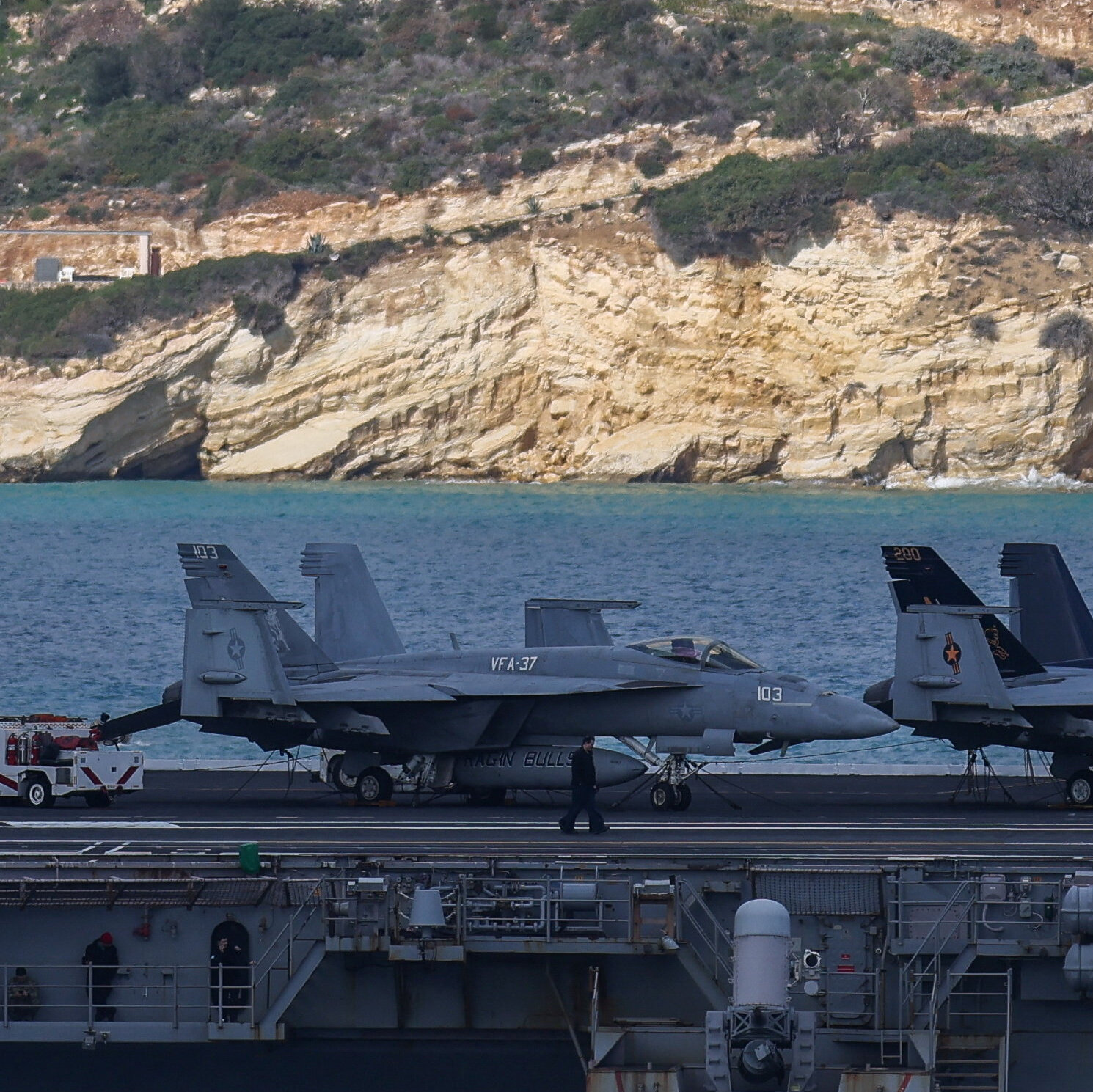
TRUMP ADMINISTRATION—The Trump administration’s consideration of a military strike in Iran has sparked intense debate among officials, with some arguing it could serve as a symbolic show of force to coerce Tehran into abandoning its nuclear enrichment program. Others, however, remain skeptical about the potential efficacy and unforeseen consequences of such an action. As tensions between the United States and Iran continue to escalate, the stakes for a strategic, calculated move have never been higher. With the world watching, the question on everyone’s mind is: could a military strike achieve the desired outcome, or would it lead to a cascade of unpredictable and potentially disastrous events?
Geopolitical Context: Understanding the Strategic Landscape
Iran’s nuclear program has been a point of contention for decades, with the international community imposing sanctions and negotiations aimed at limiting its nuclear capabilities. The Joint Comprehensive Plan of Action (JCPOA), commonly known as the Iran nuclear deal, was signed in 2015 between Iran, the United States, the United Kingdom, Russia, France, China, Germany, and the European Union. The agreement imposed restrictions on Iran’s nuclear program in exchange for relief from economic sanctions. However, in 2018, the Trump administration withdrew from the JCPOA, citing concerns over the deal’s effectiveness in preventing Iran’s nuclear proliferation and its impact on regional stability.
Regional Implications
The decision to withdraw from the JCPOA was met with widespread criticism from other signatory countries, who argued that the move would undermine the non-proliferation regime and potentially lead to an escalation of tensions in the region. Iran, in response, has begun to exceed the limits on uranium enrichment set by the agreement, raising concerns among Western powers about the potential for a nuclear-armed Iran.
Symbolic Value of a Military Strike
For some officials within the Trump administration, a military strike against Iran could serve a symbolic purpose, demonstrating the United States’ resolve to prevent Iran from developing a nuclear weapon. This view is rooted in the belief that a show of force could intimidate Iran into compliance, or at the very least, severely set back its nuclear ambitions. However, this perspective is countered by doubts about the effectiveness of military action in achieving long-term strategic objectives, particularly in a region as complex and volatile as the Middle East.
The Nuclear Enrichment Program: Technical and Strategic Considerations
Iran’s nuclear enrichment program is at the heart of the current standoff between Tehran and the international community. The program, which Iran claims is for peaceful purposes such as energy production and medical research, has raised alarms due to its potential for weaponization. The nuclear deal imposed strict limits on Iran’s enrichment activities, including the level of uranium purity and the number of centrifuges in operation. However, since the U.S. withdrawal from the JCPOA, Iran has gradually increased its enrichment levels, moving closer to the threshold required for a nuclear weapon.
Technical Challenges
From a technical standpoint, achieving a nuclear weapon requires not only highly enriched uranium but also a sophisticated delivery system. Iran’s ballistic missile program, while extensive, is still considered to be in the development stages, with many of its missiles lacking the precision and range to pose a significant threat to distant targets. Nevertheless, the potential for Iran to develop a nuclear-tipped missile is a scenario that Western powers cannot afford to ignore.
Strategic Implications
The strategic implications of a nuclear-armed Iran are profound, with potential consequences including a significant shift in the regional balance of power, an increased risk of nuclear proliferation among other Middle Eastern states, and heightened tensions between Iran and its adversaries, including Israel and the Gulf states. A military strike aimed at disrupting Iran’s nuclear program would need to be meticulously planned to minimize the risk of escalation and ensure that the desired strategic outcome is achieved.
Policy and Decision-Making: Weighing the Options
The decision-making process within the Trump administration regarding a potential military strike in Iran is complex, involving a multitude of factors and perspectives. Proponents of military action argue that it could be a necessary step to prevent Iran from acquiring a nuclear weapon, citing the failure of diplomatic efforts to date and the escalating tensions in the region. On the other hand, skeptics point to the potential for unintended consequences, including the destabilization of the region, the strengthening of hardline elements within Iran, and the alienation of international allies who might view a military strike as a violation of international law and the principles of diplomacy.
International Law and Diplomacy
Any consideration of military action against Iran must take into account the legal and diplomatic implications. The use of force against another state is governed by international law, including the principles of necessity and proportionality. Moreover, such an action would likely be met with widespread condemnation from the international community, potentially isolating the United States and undermining its credibility as a champion of diplomacy and international cooperation.
Domestic Politics and Public Opinion
Domestically, the Trump administration’s handling of the Iran situation is also influenced by political considerations. The president’s base has historically been supportive of a tough stance against Iran, viewing the country as a key adversary in the Middle East. However, the broader public opinion is more nuanced, with many Americans expressing wariness about the prospect of another military conflict in the region, given the traumas of the Iraq and Afghanistan wars.
Global Outlook and Socioeconomic Impact: A Broader Perspective
Beyond the immediate geopolitical implications, a military strike in Iran would have far-reaching socioeconomic effects, both regionally and globally. The potential for destabilization in the Middle East, already a volatile region, could lead to a significant increase in refugee flows, exacerbate existing humanitarian crises, and disrupt global energy markets. The economic consequences of such instability could be profound, affecting not only the direct parties involved but also having ripple effects throughout the world economy.
Energy Security
The impact on global energy security is a particular concern. Iran is a major oil producer, and any disruption to its oil exports could lead to price spikes and shortages, affecting economies dependent on imported oil. Furthermore, the Strait of Hormuz, through which a significant portion of the world’s oil passes, could become a flashpoint, with any blockade or military action in the area having the potential to severely impact global energy supplies.
Humanitarian Considerations
Humanitarian considerations also play a critical role in the decision-making process. The potential for civilian casualties, displacement, and long-term suffering as a result of military action must be carefully weighed against the strategic objectives. The international community has a responsibility to protect civilians and prevent humanitarian crises, and any military action would need to be planned and executed with these principles in mind.
Conclusion: Navigating the Complexities of Geopolitics and Diplomacy
In conclusion, the consideration of a military strike in Iran by the Trump administration is fraught with complexity, necessitating a deep understanding of geopolitical dynamics, strategic implications, and socioeconomic consequences. The path forward will require careful navigation of international law, diplomacy, and public opinion, as well as a clear-eyed assessment of the potential risks and benefits of military action. As the world watches the unfolding drama between the United States and Iran, one thing is certain: the decisions made in the coming days and weeks will have far-reaching implications for global security, regional stability, and the future of international relations.
A Call for Diplomacy
Ultimately, the resolution of the standoff between the United States and Iran will likely require a return to the negotiating table, with a commitment from all parties to engage in meaningful and constructive dialogue. The challenges are significant, but the reward of a peaceful, diplomatic solution is well worth the effort, offering the potential for a more stable and secure Middle East, and a world less threatened by the specter of nuclear proliferation.
