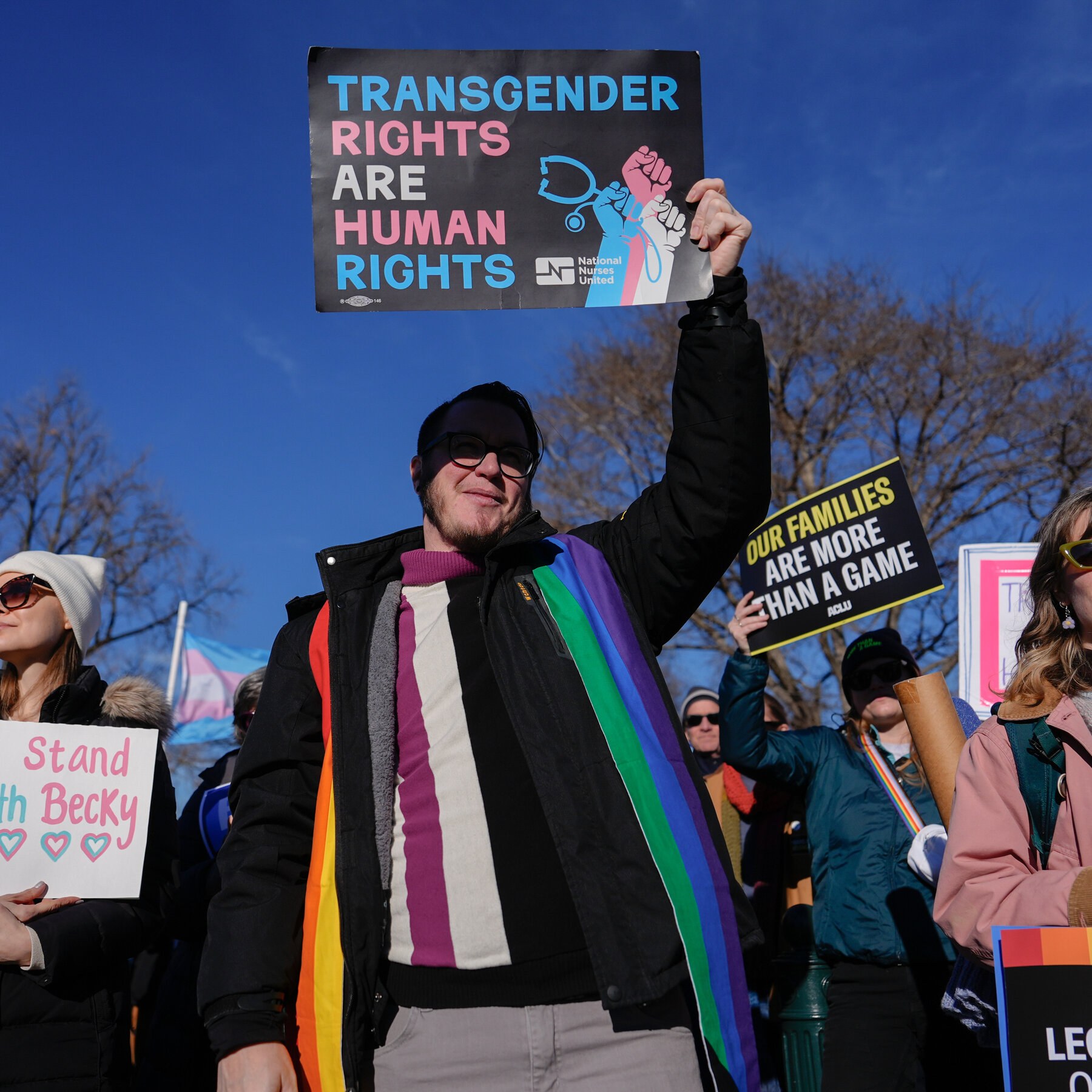
Trump Administration Terminates 40+ Civil Rights Settlements Protecting Transgender Students
- The Trump administration is ending civil rights settlements crucial for transgender students’ educational access.
- This move forces schools to choose between federal mandates and state-level protections for transgender youth.
- At least 40 civil rights investigations into educational institutions protecting transgender students have been initiated.
- This action escalates the administration’s campaign against diversity, equity, and inclusion policies in schools.
A sweeping federal rollback on transgender rights in education creates unprecedented legal and ethical dilemmas for school districts nationwide.
TRANSGENDER RIGHTS—In a move that has sent shockwaves through the education and civil rights communities, the Trump administration has signaled its intent to terminate multiple civil rights settlements. These agreements, previously negotiated to safeguard the rights of transgender students, ensured equal educational opportunities and participation in school programs. The terminations represent a significant escalation in the administration’s broader agenda to enforce its interpretation of federal law, which narrowly defines gender based solely on sex assigned at birth.
Education Department officials, speaking on condition of anonymity, described the upcoming terminations as a departure from established practice. This decision forces school districts into a precarious position, demanding they align with federal directives that may directly conflict with state laws offering more comprehensive protections for transgender students. The implications are profound, potentially undermining years of progress in creating more inclusive educational environments.
The administration’s actions are part of a wider pattern of challenging diversity, equity, and inclusion (DEI) initiatives. By targeting specific civil rights protections for transgender youth—particularly concerning participation in school programs and activities based on gender identity—the administration is actively seeking to dismantle policies perceived as deviating from its core tenets.
Federal Rollback Creates Educational Conflicts
A Divided Legal Landscape Emerges
The Trump administration’s decision to terminate existing civil rights settlements marks a significant departure from federal policy, creating immediate conflict for educational institutions. These settlements, often the result of lengthy negotiations and legal processes, provided clear frameworks for how schools should accommodate transgender students. By revoking them, the administration is effectively dissolving these established protections, leaving a void that must be filled by potentially opposing state laws or new, uncertain federal guidance.
Nancy Potter, a former supervising lawyer at the Education Department’s Office for Civil Rights and now a private practitioner, highlighted the unprecedented nature of this move. “To go back and terminate agreements and say all of the policies and procedures should be reversed as if nothing ever happened, that is very different and a very big deal,” Potter stated. This suggests a deliberate effort to undo previous commitments to transgender student rights, rather than a procedural adjustment. This is not merely a change in enforcement; it is a dismantling of prior agreements.
The core of the conflict lies in the administration’s unwavering stance on recognizing only sex assigned at birth, as outlined in President Trump’s executive order. This directive directly clashes with the varying legal landscapes across states, some of which have enacted laws explicitly protecting the rights of transgender individuals in education and public life. School administrators are now tasked with navigating this complex web of conflicting regulations, potentially facing legal challenges regardless of their chosen path.
This strategic dismantling of protections is part of a broader initiative by the administration to root out what it terms as DEI policies. The focus on transgender students’ participation in school programs, whether academic or extracurricular, indicates a specific targeting of protections tied to gender identity. The administration’s approach suggests a belief that such accommodations go against federal anti-discrimination laws, as it interprets them, and will likely lead to further legal battles over interpretation and enforcement.
The ripple effect on school policy and student well-being is substantial.
The immediate consequence for school districts is immense uncertainty. Without the established guidelines of federal settlements, administrators must grapple with how to respond to transgender students’ needs. This includes issues ranging from bathroom access and locker room usage to participation in sports and the use of correct pronouns. The risk of litigation from either federal oversight bodies or advocacy groups supporting transgender rights looms large, creating a climate of fear and confusion.
Furthermore, this federal rollback exacerbates the already challenging environment faced by transgender youth. Studies consistently show that transgender students experience higher rates of bullying, harassment, and mental health issues. Supportive school policies, often solidified through these now-terminated settlements, are vital for their safety and academic success. The withdrawal of federal backing could embolden discriminatory practices and leave vulnerable students feeling isolated and unprotected.
The administration’s actions also raise questions about the long-term impact on civil rights enforcement. If previously negotiated settlements can be so readily terminated, it erodes trust in federal agreements and weakens the protective mechanisms for marginalized groups. This precedent could have far-reaching implications beyond transgender student rights, affecting how future administrations approach civil rights issues across various domains. The decision signifies a fundamental shift in federal commitment to these protections.
As school districts recalibrate their policies, they do so under the shadow of a federal government actively rolling back protections, a situation that legal experts believe has no historical parallel. The path forward for ensuring equitable education for all students, particularly transgender youth, is now more complex and fraught with challenges than ever before.
How Many Schools Are Affected by Federal Policy Changes?
The Scale of Federal Scrutiny
The Trump administration’s intensified focus on transgender student rights extends beyond the termination of settlements; it encompasses a significant number of ongoing investigations. Education Department officials confirmed that at least 40 civil rights investigations have been initiated into educational institutions specifically because they provide protections for transgender students. This figure represents a substantial federal effort to scrutinize and potentially penalize schools that have adopted inclusive policies.
These investigations are not isolated incidents but are part of a coordinated strategy to enforce a narrow interpretation of federal anti-discrimination laws. The administration’s directive, emphasizing sex assigned at birth, underpins these probes, signaling a clear intent to challenge policies that accommodate gender identity. The sheer volume of investigations suggests a nationwide campaign to identify and rectify perceived deviations from this federal stance.
The implications of these investigations are considerable. Schools found to be in violation of the administration’s interpretation could face severe consequences, including the loss of federal funding, lengthy legal battles, and damage to their reputation. For administrators, the threat of an investigation can be enough to prompt a reassessment of existing policies, even those previously deemed compliant or beneficial for student well-being.
Legal Battles Over Transgender Athletes Intensify
Adding to the widespread impact, the administration has actively engaged in litigation against states and athletic associations that permit transgender athletes to participate in school sports according to their gender identity. Lawsuits have been filed in key states like California and Minnesota, directly challenging policies that have been in place to foster inclusivity in athletics. This legal intervention underscores the administration’s broad approach to reshaping civil rights protections.
The backdrop to these legal challenges is the increasing number of states enacting restrictions on transgender athletes. A total of 27 states have now implemented measures that limit or outright ban transgender students from participating in sports consistent with their gender identity. This legislative trend, coupled with federal legal action, creates a complex and often hostile environment for transgender youth seeking to engage in extracurricular activities.
The intersection of federal policy, state legislation, and ongoing investigations creates a highly charged atmosphere. Schools are caught in the crossfire, attempting to balance federal mandates with state laws and, most importantly, the well-being and rights of their students. The administration’s aggressive stance has amplified existing tensions and introduced new layers of legal and ethical complexity into the educational landscape.
This multifaceted approach—terminating settlements, launching investigations, and pursuing litigation—demonstrates a clear and sustained effort to redefine the scope of civil rights protections for transgender students. The administration’s actions are not merely reactive but appear to be a proactive campaign to implement a specific ideological agenda within the nation’s educational system, leaving many institutions and students in a state of prolonged uncertainty.
A Lack of Precedent for Federal Settlement Terminations?
Uncharted Territory in Federal Enforcement
The Trump administration’s decision to terminate civil rights settlements represents a significant and, according to legal experts, unprecedented shift in federal enforcement strategy. Previously, such negotiated agreements served as a stable foundation for ensuring specific rights and protections for vulnerable populations. Ending these agreements retroactively, as described by former Education Department officials, signals a willingness to unravel established legal understandings and protections for transgender students.
Nancy Potter, a former supervising lawyer at the Education Department’s Office for Civil Rights, emphasized the gravity of this action. “To go back and terminate agreements and say all of the policies and procedures should be reversed as if nothing ever happened, that is very different and a very big deal,” she stated. This commentary underscores that the current administration’s approach is not simply a matter of policy adjustment but a fundamental reordering of federal commitment to civil rights, particularly concerning gender identity in schools.
Civil rights attorneys who have worked across different administrations, both Democratic and Republican, have reportedly found no prior instances of the federal government taking such a step. This lack of precedent suggests that the termination of these settlements is a unique and potentially disruptive tactic. It raises concerns about the durability of federal agreements and the future of civil rights enforcement, potentially signaling a trend of increasing federal intervention and rollback of protections for marginalized groups.
The Wider Implications for Federal Agreements
The administration’s rationale for these terminations is rooted in President Trump’s executive order, which mandates recognition of sex assigned at birth. This directive clashes directly with the intent of the settlements, which were designed to provide equal educational opportunities for transgender students based on their affirmed gender identity. The conflict forces schools into a difficult choice: adhere to the federal interpretation, potentially violating state laws and discriminating against transgender students, or uphold state protections and risk federal sanctions or litigation.
This strategy to eliminate existing protections is a sharp escalation of the administration’s broader campaign against diversity, equity, and inclusion (DEI) policies. By targeting specific civil rights protections, particularly those enabling transgender students to participate in school programs and activities without regard to their sex assigned at birth, the administration is actively working to dismantle frameworks built over years to foster inclusive educational environments.
The absence of historical precedent for such actions suggests a deliberate and potentially experimental approach to federal authority. It casts doubt on the security of future civil rights agreements and creates a climate of uncertainty for schools and the students they serve. This move has the potential to reshape how federal agencies interact with institutions and how civil rights are interpreted and enforced in the future, moving towards a more restrictive and less inclusive standard.
The deliberate unwinding of these agreements, supported by at least 40 ongoing investigations into schools with transgender protections and legal challenges against state policies, indicates a comprehensive federal effort. This is not an isolated incident but a sustained push to enforce a specific social and legal agenda within the nation’s educational system, the long-term consequences of which are yet to be fully understood.
What Are the Implications for State Laws and School Policies?
Navigating Conflicting Legal Mandates
The Trump administration’s decision to terminate federal civil rights settlements creates a complex and often contradictory legal landscape for school districts across the United States. These settlements were designed to provide a baseline of protection and ensure equal educational opportunities for transgender students. By rescinding them, the federal government is forcing educational institutions to navigate a precarious space between conflicting directives: the administration’s interpretation of federal anti-discrimination laws and existing state statutes that may offer broader protections.
This creates an untenable situation for school administrators. They must now decide whether to comply with the federal government’s narrowly defined view of sex assigned at birth, potentially violating state laws that protect transgender individuals, or to uphold state protections, risking federal scrutiny, legal challenges, and the potential loss of federal funding. This dilemma places the educational and emotional well-being of transgender students at the center of a significant legal and political battleground.
For years, many schools had aligned their policies with the guidance and agreements established through federal settlements. These policies addressed critical issues such as bathroom access, pronoun usage, participation in school sports, and protection from harassment. The abrupt termination of these agreements means that schools must re-evaluate and potentially revise these policies, often without clear federal guidance that respects gender identity, leading to confusion and inconsistency in student support systems.
The Rollback of DEI Policies and Its Educational Impact
The administration’s actions are framed as part of a larger campaign against diversity, equity, and inclusion (DEI) initiatives in education. The specific targeting of transgender students’ rights, particularly concerning their participation in school programs and activities based on gender identity, highlights a broader ideological agenda. This rollback impacts not only transgender students but also sends a message about the federal government’s commitment to broader DEI principles.
The termination of these settlements is particularly concerning given the documented vulnerability of transgender youth. Research consistently indicates that transgender students face higher rates of bullying, discrimination, and mental health challenges. Supportive school environments, often bolstered by federal agreements, are crucial for mitigating these risks and ensuring academic success. The federal government’s withdrawal of support could embolden discriminatory attitudes and practices within schools, leaving these students more exposed.
The legal landscape is further complicated by the fact that 27 states have already enacted restrictions on transgender athletes participating in school sports. In this context, the federal government’s stance, alongside ongoing investigations and lawsuits against states like California and Minnesota, contributes to a fragmented and increasingly restrictive environment for transgender youth. This federal intervention can overshadow or undermine state-level efforts to provide inclusive protections.
Ultimately, the termination of these settlements by the Trump administration represents a significant disruption. It creates legal chaos for schools, jeopardizes the rights and well-being of transgender students, and signals a retreat from federal commitments to civil rights and educational equity. The long-term educational and social consequences of this policy shift are substantial and will likely unfold over many years as legal challenges and policy adjustments continue.
Frequently Asked Questions
Q: What specific Trump administration actions are impacting transgender students’ rights?
The Trump administration is terminating previously negotiated civil rights settlements with educational institutions. These settlements were designed to ensure transgender students had equal access to education and participation in school activities based on their gender identity.
Q: Why is the Trump administration terminating these civil rights settlements?
These terminations align with President Trump’s executive order recognizing only sex assigned at birth. The administration views this as an effort to enforce a specific interpretation of federal anti-discrimination laws, prioritizing biological sex over gender identity in educational settings.
Q: What is the conflict created by these terminations?
The administration’s actions force school officials to choose between complying with the federal government’s interpretation of anti-discrimination laws and adhering to state statutes that may offer broader protections for transgender students.
Q: Has the federal government done this before regarding civil rights settlements?
According to former Education Department officials and civil rights lawyers, there is no precedent for the federal government terminating previously negotiated civil rights settlements with schools in this manner.
📰 Related Articles
- Trump Faces Rare Bipartisan Fury After Loosening Russia and Iran Oil Curbs
- Supreme Court Weighs Late Ballot Ban That Could Reshape 2026 Turnout
- Feds Move to Dismiss Civil Rights Case Against Louisville Officers in Taylor Raid
- Trump Pressures Senate to Pass SAVE Act Voter ID Mandate as 60-Vote Hurdle Looms
