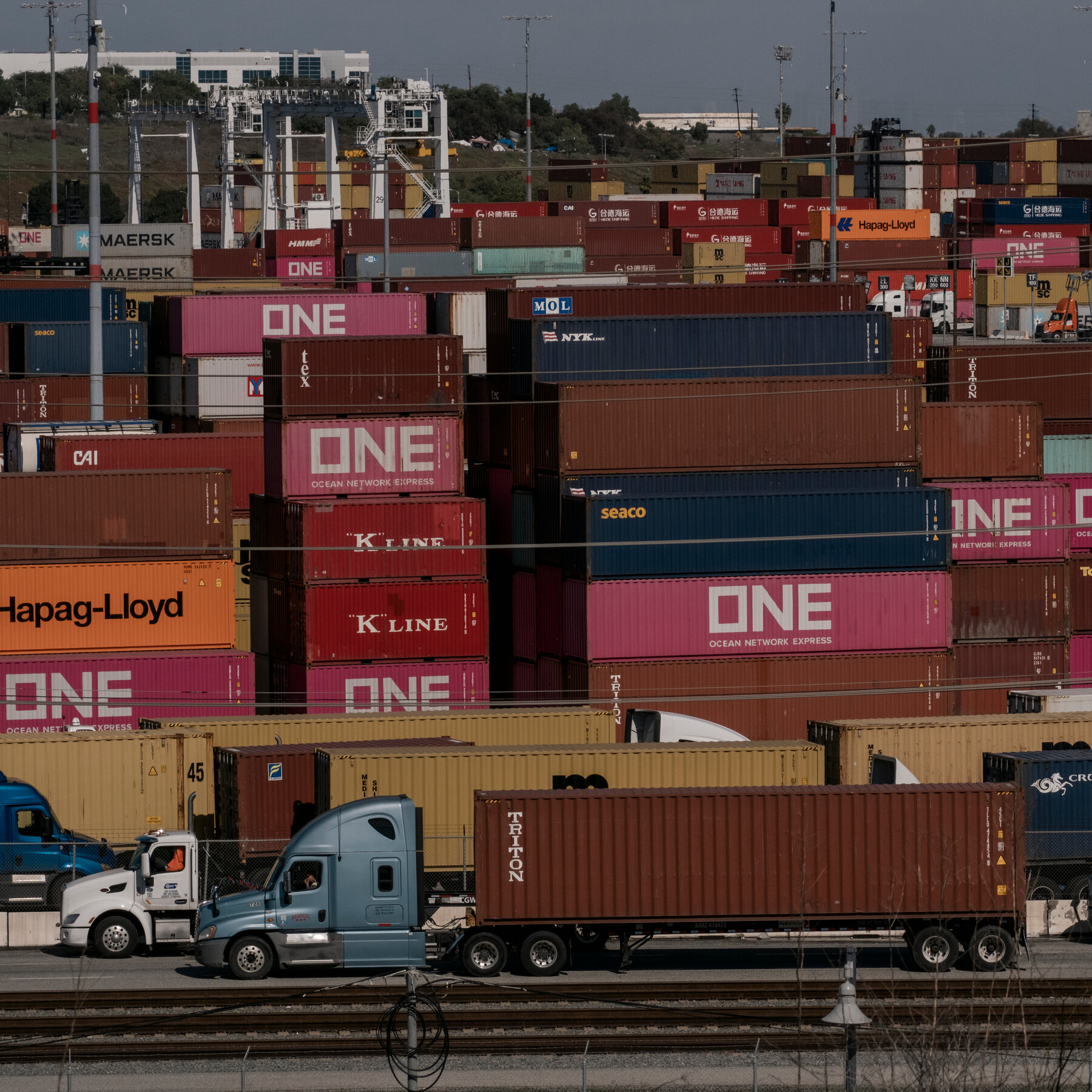
TRUMP TARIFF POLICY—President Trump has announced plans to raise the global tariff to 15 percent, a move that signals his intent to press ahead with steep tariffs despite a recent legal setback from the Supreme Court. This decision has significant implications for global trade and the economy, and is likely to be met with resistance from international partners and domestic businesses alike.
The Tariff Increase: Understanding the Context
Introduction to Tariff Policy
The announcement by President Trump to increase the global tariff to 15 percent marks a significant escalation in his trade policy. Tariffs are taxes imposed on imported goods and services, and are used by governments to protect domestic industries and raise revenue. However, they can also have negative consequences, such as higher prices for consumers and reduced economic growth.
Impact on Global Trade
The increase in the global tariff is likely to have far-reaching consequences for global trade. It may lead to retaliatory measures from other countries, which could result in a trade war. This could have devastating effects on the global economy, including reduced trade volumes, lower economic growth, and higher unemployment.
The Supreme Court Setback: Legal Implications
Background on the Supreme Court Ruling
The Supreme Court recently ruled against the Trump administration’s tariff policy, dealing a significant blow to the president’s trade agenda. The ruling has implications for the legality of the tariffs and may limit the administration’s ability to impose new tariffs in the future.
Implications for Tariff Policy
Despite the Supreme Court setback, President Trump has announced plans to press ahead with his tariff policy. This decision may be seen as a challenge to the Court’s authority and could lead to further legal challenges. The implications of the ruling for tariff policy are complex and multifaceted, and will likely be the subject of ongoing debate and litigation.
Economic Consequences: Assessing the Impact
Introduction to Economic Consequences
The increase in the global tariff is likely to have significant economic consequences, both domestically and internationally. The tariffs may lead to higher prices for consumers, reduced economic growth, and lower employment levels. The impact will be felt across various industries, including manufacturing, agriculture, and services.
Domestic Economic Impact
The tariffs may have a negative impact on the domestic economy, particularly for industries that rely heavily on imports. The higher prices for imported goods and services may lead to reduced demand, lower sales, and lower employment levels. Additionally, the tariffs may lead to higher production costs, which could result in reduced competitiveness and lower exports.
Global Reaction: International Partners Respond
Introduction to Global Reaction
The increase in the global tariff is likely to be met with resistance from international partners. The tariffs may be seen as a protectionist measure, which could lead to retaliatory measures from other countries. The global reaction will be closely watched, as it may have significant implications for global trade and the economy.
European Union Response
The European Union has already expressed concerns about the tariffs and has threatened to impose retaliatory measures. The EU may impose tariffs on US goods and services, which could lead to a trade war between the two economic powers.
Conclusion: Assessing the Future of Global Trade
Introduction to Conclusion
The announcement by President Trump to increase the global tariff to 15 percent marks a significant escalation in his trade policy. The move has significant implications for global trade and the economy, and is likely to be met with resistance from international partners and domestic businesses alike. As the situation continues to unfold, it is essential to monitor the global reaction and assess the potential consequences for the economy and trade.
