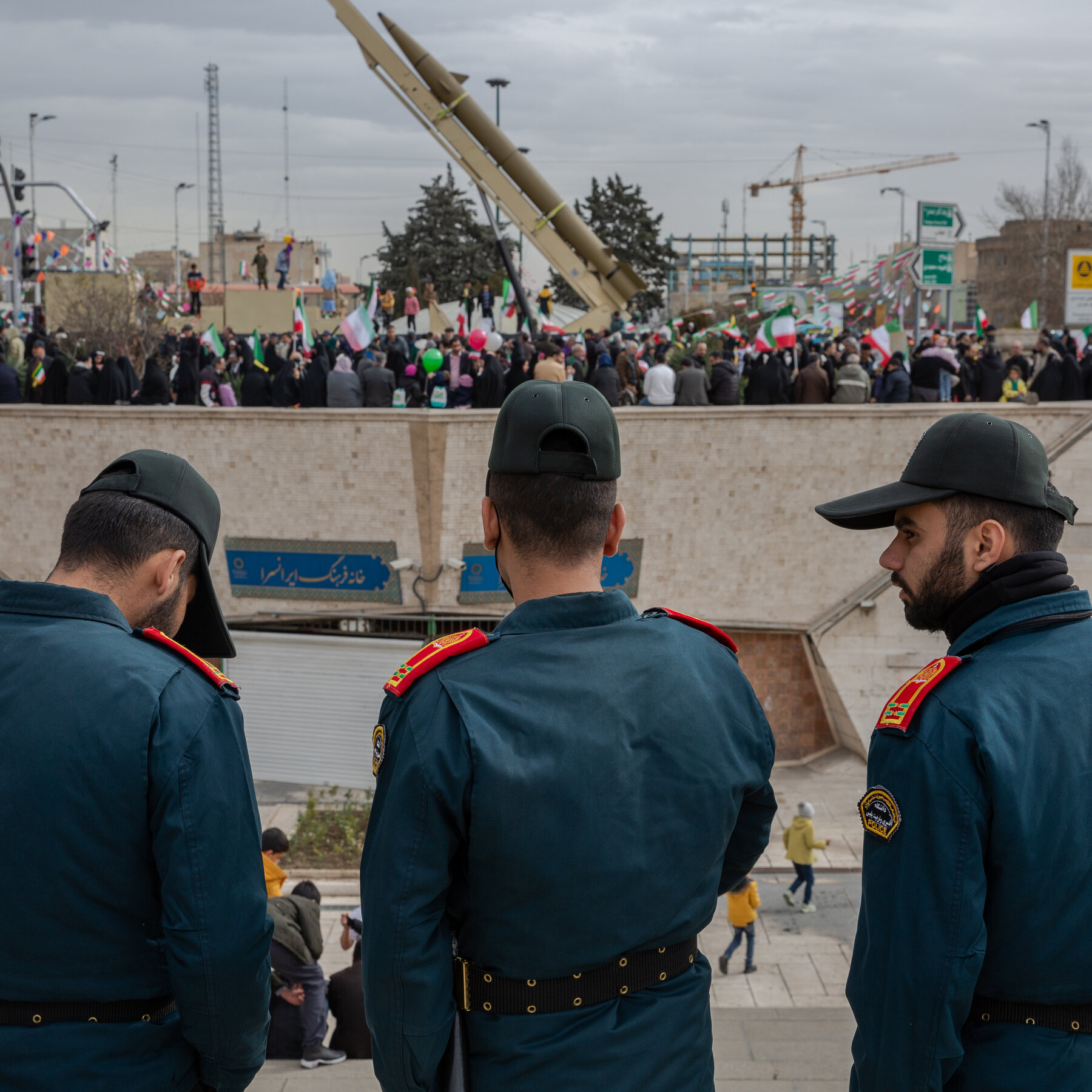
IRAN WAR—As the Trump administration weighs the possibility of a second military strike against Iran’s nuclear facilities, concerns are growing that this conflict could be deadlier and more far-reaching than the first. The previous US strikes on Iran’s nuclear sites last year were met with a swift cease-fire, but the current situation suggests a potentially more volatile and unpredictable outcome.
The Strategic Context of US-Iran Relations
Introduction to US-Iran Tensions
The US and Iran have had a tumultuous relationship for decades, with tensions escalating significantly since the US withdrawal from the Joint Comprehensive Plan of Action (JCPOA) in 2018. The recent considering of a second strike on Iran’s nuclear facilities by the Trump administration has sparked fears of a larger conflict.
Historical Context of US-Iran Conflict
Understanding the historical context of the US-Iran conflict is crucial in assessing the potential implications of a second strike. The two nations have been at odds over issues such as nuclear proliferation, regional influence, and ideological differences.
The Power Matrix: Players and Interests
Key Players in the US-Iran Conflict
The conflict between the US and Iran involves a complex web of players, including regional powers, international organizations, and non-state actors. Each of these entities has its own interests and motivations that could influence the trajectory of the conflict.
Assessing the Interests of Key Players
Assessing the interests of key players such as Saudi Arabia, Israel, and the European Union is essential in understanding the potential alliances and rivalries that could emerge in the event of a second US-Iran war.
Economic Levers: Sanctions, Oil, and Trade
The Impact of Sanctions on Iran’s Economy
The US has used economic sanctions as a primary tool in its strategy against Iran, targeting its oil exports, banking sector, and other critical industries. The effectiveness and consequences of these sanctions are critical in evaluating the potential economic outcomes of a second conflict.
Global Economic Implications
A second US-Iran war could have significant global economic implications, including disruptions to oil supplies, trade routes, and financial markets. The potential for a global economic downturn or instability could be a critical factor in determining the course of the conflict.
Geopolitical Friction: Military Risk and Escalation Pathways
Military Options and Capabilities
The military options available to both the US and Iran, as well as their respective capabilities, play a crucial role in assessing the potential for escalation and the consequences of a second conflict. The use of proxy forces, cyber warfare, and other asymmetric tactics could also influence the trajectory of the conflict.
Escalation Pathways and Red Lines
Understanding the escalation pathways and red lines for both the US and Iran is essential in evaluating the potential for a larger and more deadly conflict. The involvement of other regional or global powers could further complicate the situation and increase the risk of unintended consequences.
Socioeconomic Impact: Humanitarian Concerns and Refugee Crisis
Humanitarian Consequences of a Second Conflict
A second US-Iran war could have devastating humanitarian consequences, including civilian casualties, displacement, and a potential refugee crisis. The impact on regional stability and global security could also be significant.
Addressing Humanitarian Concerns
Addressing humanitarian concerns and preparing for potential refugee flows will be critical in mitigating the consequences of a second conflict. The international community’s response to the crisis could play a significant role in shaping the outcome and preventing further instability in the region.
Global Outlook: Scenarios and Implications for International Relations
Scenarios for a Second US-Iran War
Evaluating potential scenarios for a second US-Iran war, including the best-case and worst-case outcomes, is essential in understanding the implications for international relations and global security. The potential for a broader conflict involving other regional or global powers cannot be ruled out.
Implications for International Relations
The implications of a second US-Iran war for international relations could be profound, with potential consequences for global governance, regional stability, and the future of the international order. The response of the international community to the crisis will be critical in shaping the outcome and preventing further instability in the region.
