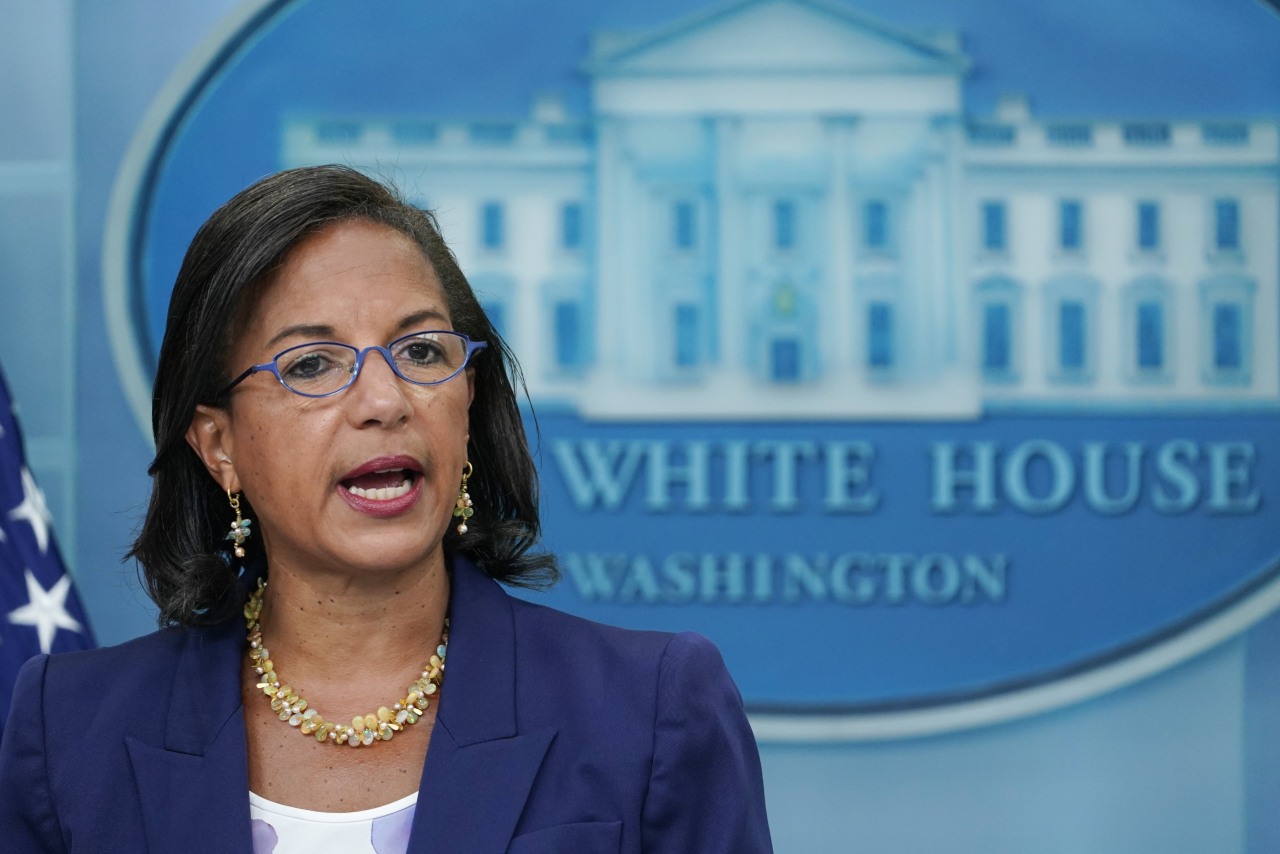
NETFLIX—In a surprise move, former President Donald Trump has called for the removal of Susan Rice, a former National Security Adviser, from Netflix’s board of directors. This development comes at a crucial time for the streaming giant as it navigates a potential acquisition of Warner’s studios and the HBO streaming service, a deal that requires antitrust approval.
The Trump Factor: Politicizing Corporate Governance
Introduction to the Trump-Rice-Netflix Dispute
The demand by Trump for Susan Rice’s ouster from Netflix’s board introduces a political dimension to the company’s efforts to expand its content library and streaming capabilities. The backdrop of this controversy is multifaceted, involving not just the personalities and political allegiances of the individuals involved but also the strategic business moves Netflix is making to stay competitive in the streaming market.
Antitrust Approval and the Warner Deal
Netflix’s bid to acquire Warner’s studios and the HBO streaming service is a significant play to bolster its position in the market. However, this deal must pass through the scrutiny of antitrust regulators, who will assess whether such an acquisition would concentrate too much market power in the hands of a single entity, potentially harming competition and consumers.
Politics and Business: An Unwelcome Mix
The intersection of political pressure and business strategy is nothing new, but the direct call for a board member’s removal based on political affiliation or past roles is unusual. It raises questions about the independence of corporate governance and the influence of political figures on business decisions, especially in sectors like media and entertainment, where content can have profound political and social implications.
Susan Rice and Her Role at Netflix
Susan Rice’s Background and Appointment
Susan Rice, known for her service as the United States Ambassador to the United Nations and later as National Security Adviser under President Barack Obama, was appointed to Netflix’s board in 2018. Her appointment was seen as a strategic move to leverage her international relations expertise and global perspective in guiding Netflix’s international expansion and content strategy.
Implications of Trump’s Demand
The implications of Trump’s demand are multifaceted. From a governance perspective, it raises questions about the criteria for board membership and the process of selection. Politically, it underscores the deep divisions within the U.S. political landscape and the willingness of political figures to exert influence over corporate decision-making.
Netflix’s Response and the Path Forward
Netflix’s response to Trump’s demand will be closely watched. The company must balance its commitment to diversity and inclusion, as well as its independence in governance matters, with the political realities of operating in a highly regulated industry. The path forward may involve a combination of strategic communication, engagement with stakeholders, and possibly, a review of its governance practices to ensure they are aligned with both legal requirements and the company’s values.
The Warner Deal and Antitrust Considerations
Deal Overview and Strategic Rationale
The proposed acquisition of Warner’s studios and the HBO streaming service by Netflix is a strategic play aimed at enhancing Netflix’s competitive position. The addition of Warner’s content library and HBO’s premium offerings would significantly bolster Netflix’s ability to compete against other major streaming services such as Amazon Prime, Disney+, and Apple TV+.
Antitrust Regulatory Environment
The regulatory environment for such deals is increasingly scrutinized. Antitrust authorities are under pressure to ensure that large corporations do not accumulate too much power, leading to decreased competition and higher prices for consumers. The scrutiny of Netflix’s deal will focus on its impact on the market structure, potential for price increases, and effects on smaller competitors.
Navigating Regulatory Approval
Navigating the antitrust approval process will require Netflix to demonstrate that the acquisition does not harm competition. This might involve divestitures, commitments to maintain certain levels of investment in original content, or assurances about the accessibility of its platforms to competitors. The process is complex and could be influenced by political considerations, given the high profile of the deal and the political backdrop of Trump’s demand regarding Susan Rice.
