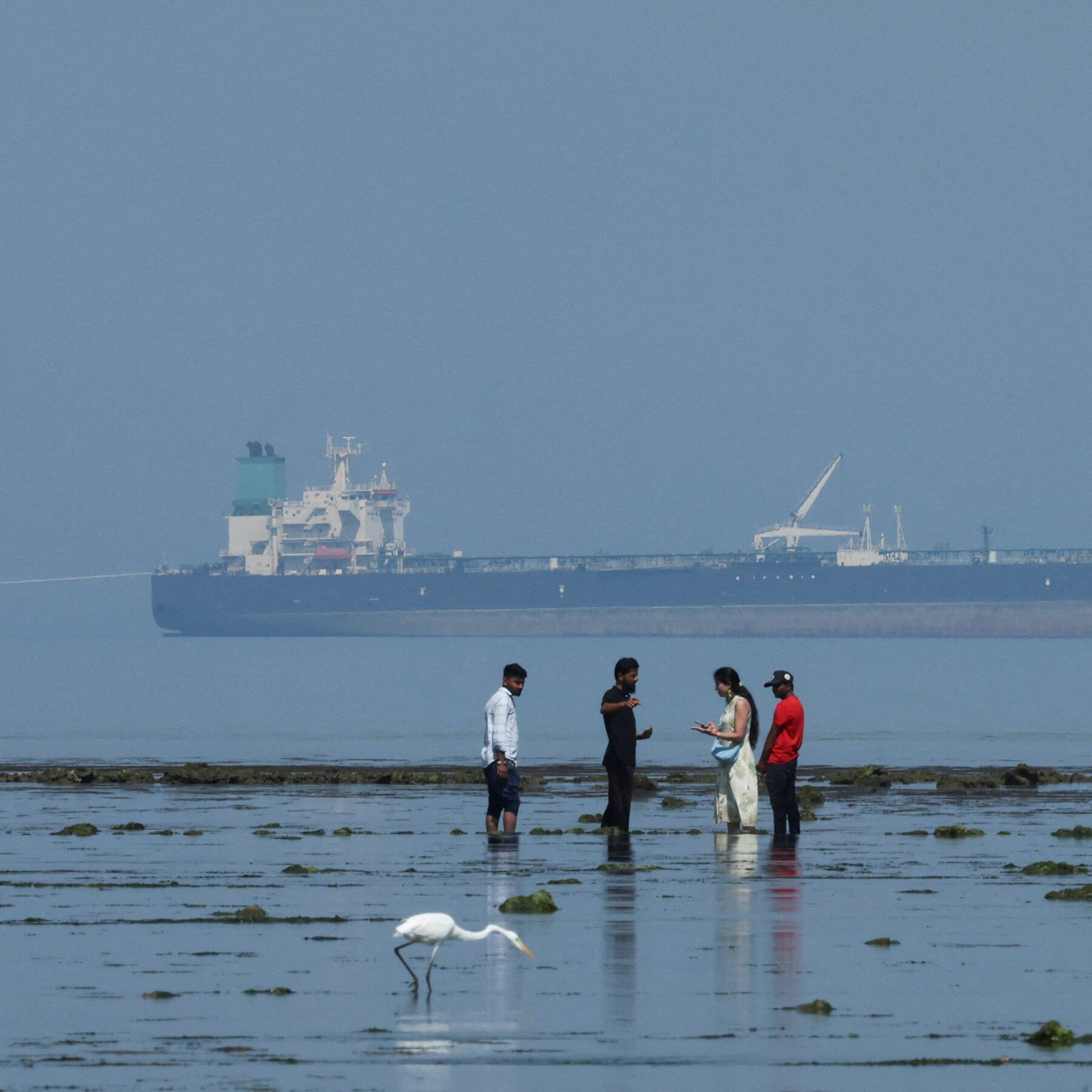
Trump administration waives oil sanctions on Russia and Iran, sparking rare bipartisan revolt in Congress
- The move allows Russian and Iranian crude to flow more freely into global markets.
- Republican and Democratic lawmakers say the decision rewards two top U.S. adversaries.
- Administration officials argue the waiver stabilizes energy prices amid Middle East tensions.
- Congressional leaders vow hearings and potential legislation to re-tighten the curbs.
Energy diplomacy collides with national-security orthodoxy
TRUMP OIL SANCTIONS—President Donald Trump’s decision to loosen oil sanctions on Russia and Iran has triggered a rare bipartisan backlash on Capitol Hill, with senior lawmakers warning that the administration is underwriting hostile regimes and eroding years of coercive diplomacy.
The waivers—issued without public fanfare late last week—permit foreign banks, insurers and tanker fleets to handle Russian Urals and Iranian crude without risking U.S. penalties. Officials inside the Treasury and Energy departments say the step is needed to calm oil markets that spiked after Iran’s missile strikes on Saudi facilities and Russia’s disruption of Kazakh pipeline flows.
Yet the optics of Washington green-lighting revenue streams for Moscow and Tehran have united ideological opposites: Senate Majority Leader Joni Ernst (R-IA) and progressive Democrat Rep. Alexandria Ocasio-Cortez (D-NY) both demanded emergency briefings within 24 hours of the announcement.
How the Administration Quietly Rewrote the Rules
The waiver package—described by two State Department officials as a “temporary enforcement holiday”—suspends so-called secondary sanctions on any non-U.S. entity that facilitates the sale, shipment or insurance of Russian or Iranian crude below an unspecified price ceiling.
Under existing statutes, violators can face loss of access to the U.S. financial system, fines of up to $20 million per transaction, and visa bans. By signaling a 90-day non-enforcement window, the administration effectively removes that deterrent without repealing the underlying laws, a nuance that has angered sanctions purists.
“This is sanctioning by tweet,” said Peter Harrell, a former Obama-era Treasury official now at Columbia University. “You can’t signal to global banks that penalties are off and then pretend the architecture is intact.”
Energy traders responded instantly. Freight rates for Aframax tankers loading from Novorossiysk jumped 12 percent Monday, while Brent crude futures fell $3.42 to $71.18 per barrel as participants priced in an extra 800,000 barrels per day of sanctioned supply.
The Treasury did not publish the waivers in the Federal Register, opting for a confidential licensing approach that shields the measure from immediate judicial review. That opacity has amplified congressional frustration and sets up a clash over war-powers-adjacent authorities that lawmakers argue belong to Congress.
Bipartisan Anger Bridges the Aisle
Senate Foreign Relations Chairman Bill Hagerty (R-TN) called the move “a gift to the IRGC and the Kremlin” in a letter co-signed by ten Republicans. Across the aisle, Senator Mark Kelly (D-AZ) warned it “undercuts Ukrainian battlefield gains financed by American taxpayers.”
House Speaker Elise Stefanik (R-NY) scheduled a closed-door briefing for Tuesday, while House Minority Leader Hakeem Jeffries (D-NY) floated an amendment to the upcoming defense appropriations bill that would codify the previous sanctions regime.
Historical precedent intensifies the unease. Congress passed the Countering America’s Adversaries Through Sanctions Act (CAATSA) in 2017 with only two dissenting votes, precisely to prevent unilateral executive carve-outs. “Ignoring that consensus weaponizes bipartisanship against the White House,” said Elizabeth Rosenberg, a former Treasury assistant secretary now at CNAS.
The backlash is not merely symbolic. Lawmakers control the fiscal purse strings and could insert restrictive language into must-pass spending or debt-ceiling legislation this fall, forcing the president into a politically costly veto.
Public polling backs the critics: a Quinnipiac survey released Tuesday found 63 percent of registered voters oppose easing Russian energy curbs, including 58 percent of Republicans. That voter sentiment stiffened the spines of swing-state senators facing re-election next year.
What History Teaches About Sanctions Rollbacks
The last time Washington relaxed energy sanctions on a sanctioned state, the results were politically explosive. In 2015 the Obama administration’s preliminary Iran nuclear deal unlocked 1.1 million barrels per day, cutting global prices by nearly 8 percent but triggering a bipartisan backlash that produced the Iran Nuclear Agreement Review Act.
Trump himself later re-imposed those curbs in 2018, arguing that oil revenue financed Tehran’s regional militias. Reversing that position now invites accusations of hypocrisy, say historians. “It’s a 180-degree pivot from the maximum-pressure doctrine that defined his first term,” noted Suzanne Maloney of the Brookings Institution.
Russia offers its own cautionary tale. After the 1998 financial crisis the Clinton Treasury eased Soviet-era export controls, helping Russian energy giants like Lukoil list on Western exchanges. Within a decade state-owned Rosneft became a geopolitical lever, culminating in the 2014 Crimea annexation and the sanctions regime now under threat.
Advocates of the current waiver counter that short-term market stability outweighs long-term leverage. “The lesson of the 1973 Arab oil embargo is that economic shocks radicalize voters faster than foreign threats,” said energy economist Robert McNally, president of Rapidan Energy.
Still, precedent suggests Congress will seek to claw back control. Legislative history shows 18 separate statutory authorities allowing the executive to waive sanctions, but only four contain unilateral revocation clauses—facts that Hill aides are already studying to craft a durable fix.
Market Impact: Will Pump Prices Really Fall?
Traders say the waiver could add a combined 1.2 million barrels per day of sanctioned crude to the market within six weeks—roughly equal to monthly U.S. shale growth last year. Bernstein Energy estimates Brent could drop into the mid-$60s if the policy sticks through summer.
Yet the relief may be fleeting. Russia’s Urals grade still trades at a $14 discount to Brent because of self-sanctioning by European refiners, a habit that could persist even with U.S. leniency. Iranian barrels face similar hurdles: Korean and Japanese buyers remain wary of secondary sanctions snapping back.
Shipping data corroborates the caution. TankerTrackers.com reports only 14 percent of the eligible Russian and Iranian cargoes booked since the waiver announcement are destined for OECD ports, suggesting Asian intermediaries—not Western consumers—will capture the discount.
Gasoline futures reflect the skepticism. RBOB prices fell just 4 cents to $2.37 per gallon Monday, a fraction of the move implied by crude’s selloff. Refiners cite narrow crack spreads and record maintenance outages this spring as buffers against retail price drops.
Bottom line: consumers hoping for cheaper fill-ups may be disappointed. “Policy headlines don’t always reach the pump,” said Tom Kloza, global head of energy analysis at OPIS. “Geopolitical risk premiums fade quickly; refinery glitches don’t.”
What Happens Next on Capitol Hill?
Expect a three-pronged congressional response: oversight hearings, restrictive legislation, and budgetary hardball. The Senate Banking Committee has already subpoenaed Treasury officials for a closed session next week, according to committee staff.
Legislators are dusting off CAATSA provisions that allow Congress to review any sanctions waiver within 30 days. A bipartisan “resolution of disapproval”—though likely to face a presidential veto—would force a floor vote that puts every member on record.
The second vehicle is the National Defense Authorization Act (NDAA). House Armed Services Chairman Mike Waltz (R-FL) told reporters he is “90 percent certain” the NDAA manager’s amendment will contain language re-imposing the previous sanctions after 60 days unless the president certifies Russia and Iran have verifiably reduced oil revenues to pre-war levels.
Finally, appropriators could withhold Treasury Department salaries or enforcement budgets until the waivers are rescinded—a tactic used in 2019 to limit border-wall funding. “We have more leverage than people think,” said Representative Rosa DeLauro (D-CT), ranking member on the House Appropriations Committee.
While the White House can count on a veto-proof minority in the Senate, the optics of defending Russia and Iran could fracture the GOP ahead of the 2026 midterms. As Senator Mitt Romney (R-UT) put it bluntly: “This isn’t the hill to die on.”
Frequently Asked Questions
Q: What sanctions did Trump ease on Russia and Iran?
The administration quietly waived restrictions on banks and shippers that facilitate Russian and Iranian crude sales, effectively allowing both countries to boost exports without facing U.S. penalties.
Q: Why are Republicans opposing the move?
GOP hawks argue that relaxing curbs funnels hard currency to Moscow and Tehran, undercuts Ukraine aid goals, and signals weakness at a moment when both regimes are under congressional scrutiny.
Q: How could oil markets react?
Analysts say additional barrels from Russia and Iran could shave $4–6 off Brent prices short-term, but warn the geopolitical risk premium may return if Congress re-imposes stricter sanctions.
📰 Related Articles
- Supreme Court Weighs Late Ballot Ban That Could Reshape 2026 Turnout
- Feds Move to Dismiss Civil Rights Case Against Louisville Officers in Taylor Raid
- Trump Pressures Senate to Pass SAVE Act Voter ID Mandate as 60-Vote Hurdle Looms
- Pro-Israel and Crypto Super PACs Pour Record Cash Into Illinois Primary Races
