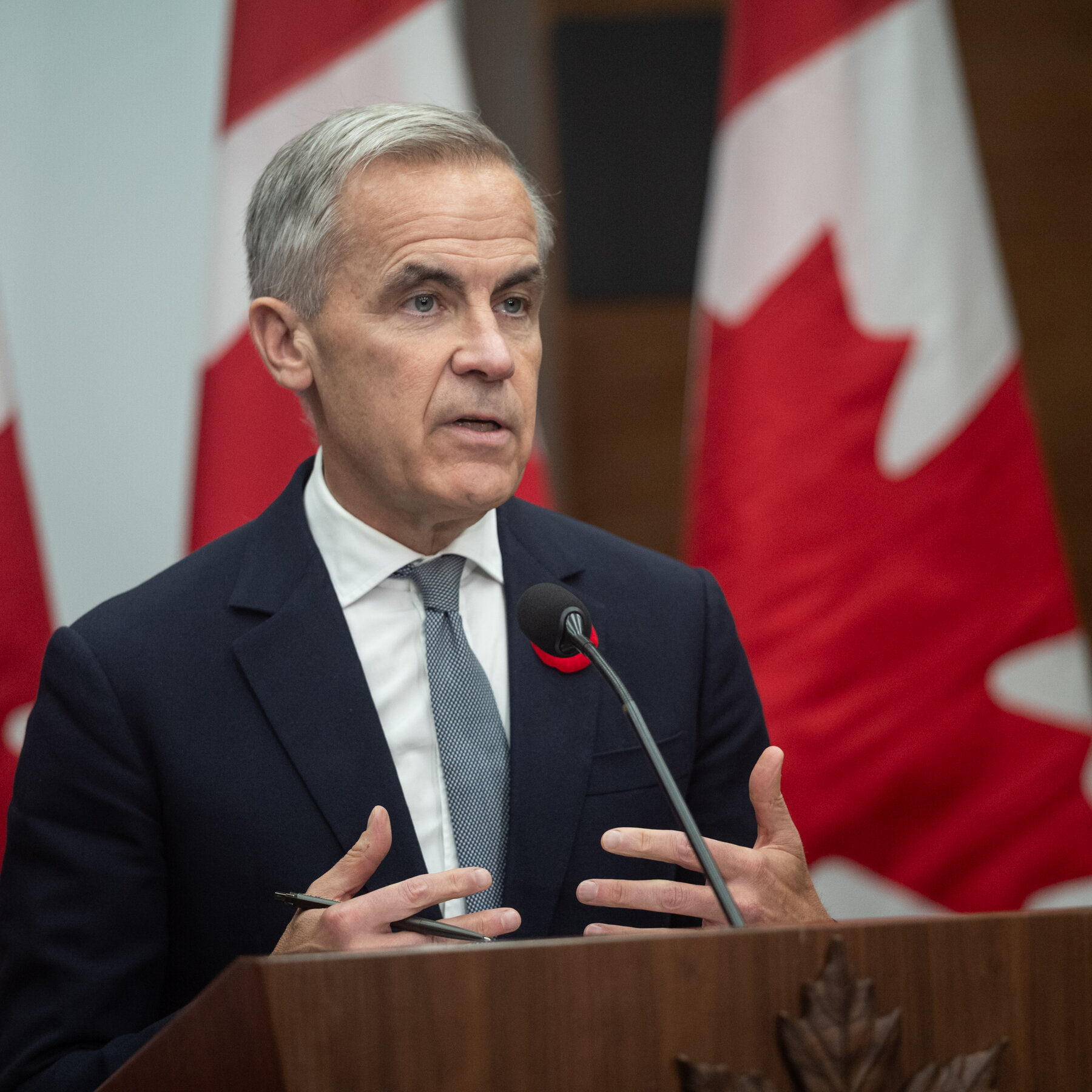
US-CANADA TRADE—The Trump administration is considering a drastic overhaul of the North American trade agreement, potentially leaving Canada out of a revamped pact. This move could significantly alter the trade landscape between the US, Mexico, and Canada, with far-reaching implications for businesses and economies in the region.
US-Mexico Bilateral Trade Dynamics
Introduction to Bilateral Trade
The US and Mexico have a long-standing trade relationship, with the two countries sharing a border and a significant amount of trade volume. The possibility of a bilateral trade agreement between the US and Mexico has been a topic of discussion, with the Trump administration pushing for a more favorable deal.
Key Trade Issues
Some of the key issues that could be addressed in a US-Mexico bilateral trade agreement include tariffs, border security, and intellectual property protection. The US has been seeking to reduce its trade deficit with Mexico and to increase access to the Mexican market for US businesses.
Canada’s Role in North American Trade
Canada’s Trade Relationship with the US
Canada is the US’s second-largest trading partner, with a significant amount of trade in goods and services between the two countries. The US-Canada trade relationship is complex, with both countries having a strong interest in maintaining a stable and predictable trade environment.
Implications of a US-Mexico Bilateral Agreement
If the US and Mexico were to negotiate a bilateral trade agreement, it could have significant implications for Canada. Canada could potentially be left out of a revamped North American trade pact, which could lead to a decline in Canadian exports to the US and a loss of competitiveness for Canadian businesses.
Trump Administration Trade Policy
Overview of Trump Administration Trade Policy
The Trump administration has been actively engaged in reshaping US trade policy, with a focus on reducing trade deficits and promoting American businesses. The administration has been critical of existing trade agreements, including the North American Free Trade Agreement (NAFTA), which it views as outdated and unfair to the US.
Key Objectives
The Trump administration’s key objectives in trade policy include reducing trade deficits, promoting American exports, and protecting American businesses from unfair trade practices.
Potential Consequences of a US-Mexico Bilateral Agreement
Potential Economic Consequences
A US-Mexico bilateral trade agreement could have significant economic consequences for Canada, including a decline in Canadian exports to the US and a loss of competitiveness for Canadian businesses. The agreement could also lead to a decline in investment in Canada, as businesses may view the US-Mexico bilateral agreement as a more attractive option.
Political Consequences
The agreement could also have significant political consequences, including a strain on US-Canada relations and a potential backlash from Canadian businesses and politicians.
Stakeholder Reactions to a Potential US-Mexico Bilateral Agreement
Business Community Reaction
The business community has been watching the developments in US-Mexico trade talks closely, with many businesses expressing concern about the potential implications of a bilateral agreement.
Government Reaction
The Canadian government has been actively engaged in trade talks with the US and Mexico, with a focus on maintaining a stable and predictable trade environment. The government has expressed concern about the potential implications of a US-Mexico bilateral agreement and has been seeking to ensure that Canadian businesses are not left behind.
