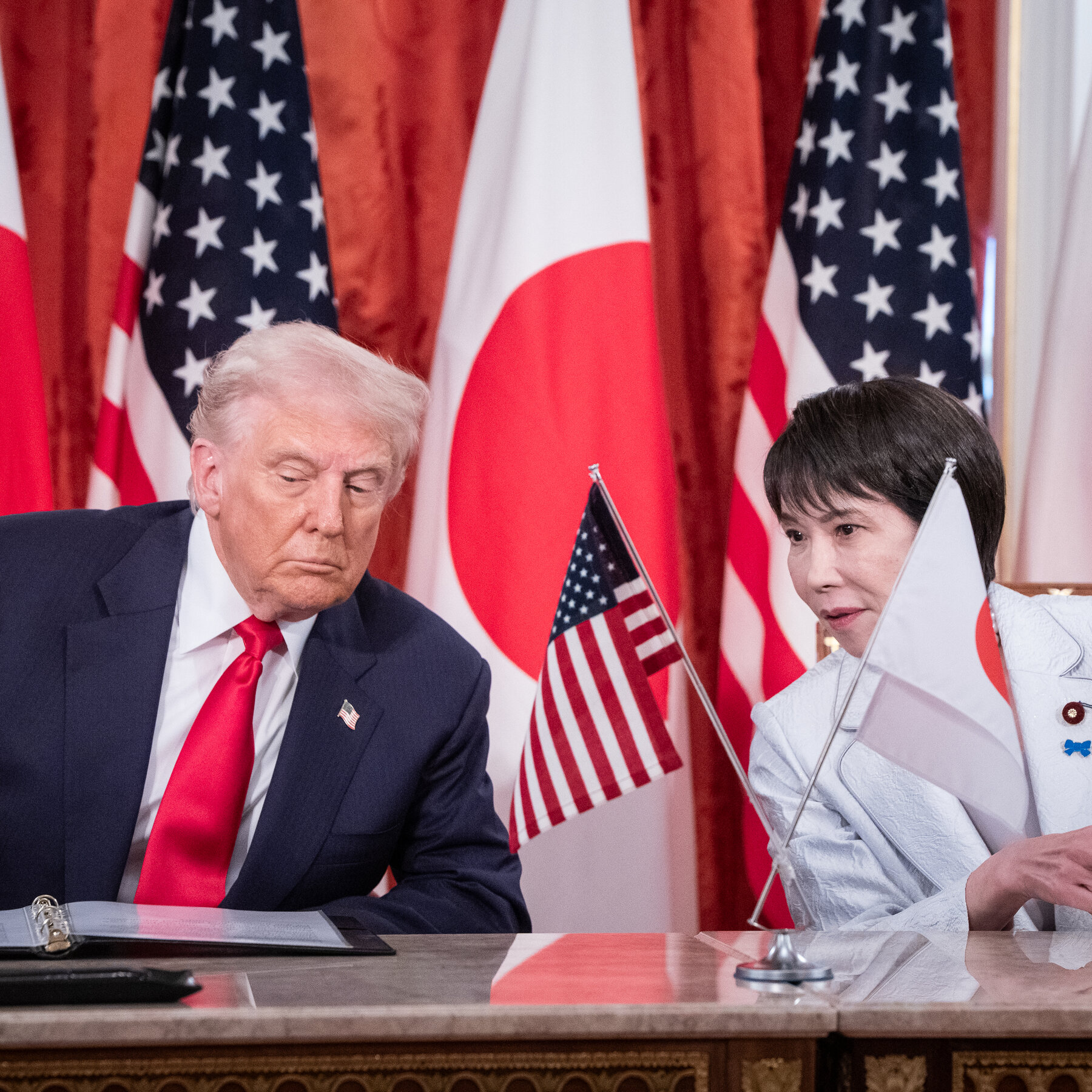
TRUMP TARIFFS—In a bid to avoid crippling tariffs, several countries made significant commitments to the United States during the Trump administration. These deals, hailed as victories at the time, have now left these nations facing the daunting task of fulfilling enormous investment pledges. The consequences of these agreements are only beginning to unfold, posing significant challenges to the economies involved.
The Tariff Threat: A Catalyst for Hasty Deals
Introduction to Tariff Wars
The Trump administration’s use of tariffs as a negotiating tool led to a series of high-stakes deals with various countries. Fearing economic backlash from tariffs, these countries agreed to significant investment pledges and trade agreements. The hope was that by making these concessions, they could avoid or reduce the tariffs imposed by the U.S.
Examples of Countries Affected
Several countries, including China, Mexico, and members of the European Union, were involved in these negotiations. Each deal was tailored to address specific U.S. concerns, ranging from trade deficits to intellectual property rights. However, the rush to secure these agreements has left many wondering if the long-term costs outweigh the short-term benefits.
Economic Realities of Investment Pledges
Assessing the Financial Burden
The financial commitments made by these countries are substantial. Billions of dollars in investments, promises of increased purchases of U.S. goods, and commitments to reform trade practices are just a few examples. However, fulfilling these pledges poses significant economic challenges. The strain on resources, potential for trade imbalances, and the impact on domestic industries are concerns that are coming to the forefront.
Implications for Global Trade
These deals also have broader implications for global trade. They set precedents for how countries negotiate under the threat of tariffs, potentially leading to a more fractured and less predictable trade environment. The World Trade Organization (WTO) and other international bodies face the task of navigating these new dynamics, ensuring that trade agreements comply with global rules and do not unfairly advantage or disadvantage certain nations.
Political Fallout and Future Negotiations
Domestic and International Political Implications
The political fallout from these deals is multifaceted. Domestically, countries face criticism for making concessions that may not be in their best interests. Internationally, the approach taken by the Trump administration has raised questions about the use of tariffs as a negotiating tool and the impact on global economic stability. Future negotiations will likely be influenced by the outcomes of these deals, with countries potentially adopting more cautious approaches to avoiding tariffs.
Lessons Learned
As the world reflects on the dealing-making of the Trump era, an important lesson emerges: the urgency to avoid tariffs can lead to agreements that may not be sustainable or beneficial in the long run. Countries must carefully weigh the costs and benefits of such deals, considering not just the immediate economic implications but also the political and social consequences that may unfold over time.
Conclusion: Navigating the Complexities of Global Trade
A Path Forward
The complexity of global trade and the use of tariffs as a policy tool will continue to shape international relations and economies. As countries navigate these complexities, they must do so with a keen understanding of the potential long-term effects of their decisions. The deals made under the Trump administration serve as a critical case study, offering insights into the challenges of negotiating under pressure and the importance of sustainable, mutually beneficial trade agreements.
Looking Ahead
Moving forward, international cooperation, a commitment to fair trade practices, and a nuanced approach to economic policy will be essential. The global community must work together to establish trade agreements that promote economic growth, stability, and fairness, mitigating the risks associated with tariff threats and fostering a more predictable and prosperous global trade environment.
