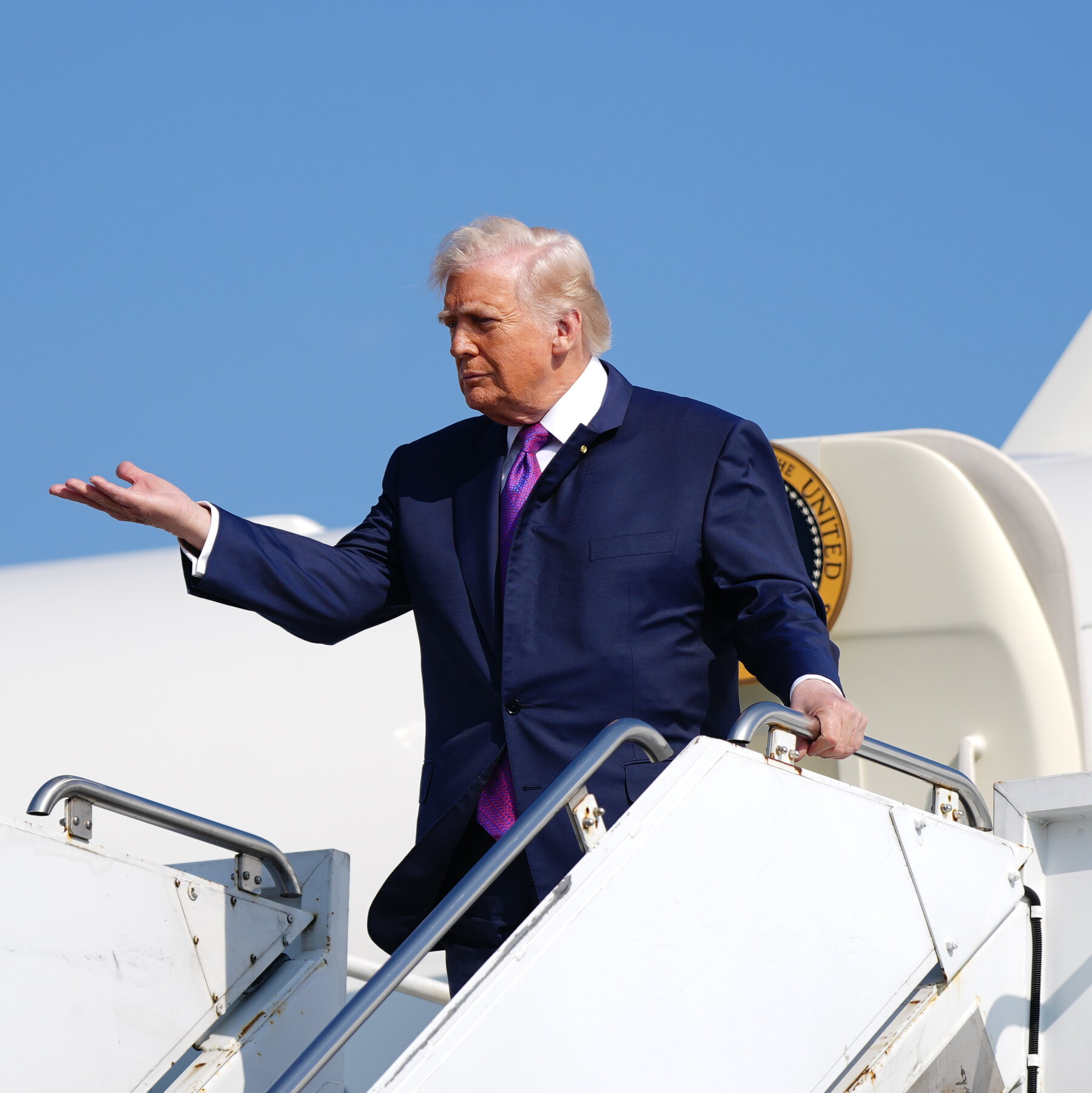
WASHINGTON— President Trump sparked a fervent debate on the existence of aliens and U.F.O.s after announcing his intention to release classified files on the subject. This comes on the heels of former President Barack Obama‘s revelation that aliens are real during a podcast interview. Trump’s declaration has significant implications for the transparency of government-held information on extraterrestrial life and unidentified flying objects.
The Trump-Obama Exchange on Aliens and U.F.O.s
President Trump and former President Barack Obama have reignited the debate over the existence of aliens and U.F.O.s. Trump’s vow to release classified files on the subject follows Obama’s assertion that aliens are indeed real. This public exchange between two of America’s most influential figures has captivated the nation, raising questions about the government’s knowledge of and stance on extraterrestrial life.
The context of this exchange is crucial, as it not only reflects the intriguing topic of aliens and U.F.O.s but also underscores the complex and often tense relationship between Trump and Obama. Their differing approaches to sensitive information and their willingness to engage with the public on such matters highlight the dynamic nature of political discourse in the United States.
Implications of Releasing Classified Files on Aliens and U.F.O.s
The potential release of classified files on aliens and U.F.O.s by the Trump administration could have far-reaching consequences. It could lead to a significant shift in public perception of extraterrestrial life, influencing cultural, scientific, and political landscapes. Moreover, the disclosure of such information could impact international relations, as countries might reassess their stance on cooperation and sharing of information related to U.F.O. sightings and alleged alien encounters.
From a legal and ethical standpoint, the release of these files raises questions about national security, the protection of sensitive information, and the potential risks associated with revealing details about U.F.O.s and aliens to the general public. It also prompts inquiries into the role of governments in hiding or disclosing information about extraterrestrial life, sparking debates on transparency, accountability, and the public’s right to know.
The Search for Truth: Scientific and Public Perspectives on Aliens and U.F.O.s
The scientific community has long been interested in the possibility of extraterrestrial life, with ongoing efforts to detect signs of life elsewhere in the universe. The general public’s fascination with aliens and U.F.O.s is evident in popular culture, from science fiction films and books to conspiracy theories about government cover-ups of alien sightings.
As Trump prepares to release files on aliens and U.F.O.s, the public and the scientific community await with anticipation. The release of these files could provide unprecedented insight into what the government knows about extraterrestrial life, potentially validating or debunking long-held beliefs and theories. However, without concrete evidence, the debate is likely to continue, with skeptics questioning the validity of any released information and believers seeing it as confirmation of their beliefs.
