Trump’s 40% SPR Release Shifted Brent by Only $13 – A Trump oil price move that missed the mark
- The IEA announced a coordinated release of 400 million barrels, with the U.S. slated to contribute roughly half.
- Janiv Shah of Rystad Energy estimates 9‑10 million barrels per day are stuck behind the Strait of Hormuz.
- Brent crude hovered near $90 per barrel on the announcement day and closed the week around $103, a $13 rise.
- The 40 % draw from the Strategic Petroleum Reserve equals about 285 million barrels, far short of daily market needs.
Why a massive release barely nudged the market
OIL PRICES—When the White House unveiled a plan to tap 40 % of the United States’ Strategic Petroleum Reserve (SPR), analysts expected a swift price‑pulling effect on crude. Instead, the market barely reacted, exposing the limits of inventory‑driven price control in a world where geopolitics dictate flow.
On the day the International Energy Agency (IEA) disclosed its coordinated 400‑million‑barrel emergency‑stock release, Brent futures traded around $90 a barrel. By week’s end, the benchmark settled near $103, a rise that dwarfed any benefit from the announced draw‑down.
Understanding why the Trump oil price move fell flat requires a deep dive into three intertwined forces: the scale of the SPR draw, the bottleneck in the Strait of Hormuz, and the modest daily contribution from the IEA’s release.
The IEA’s Coordinated Release: Numbers and Limits
The IEA’s Coordinated Release: Numbers and Limits
In early June 2024, the International Energy Agency announced that its 30 member countries would collectively release 400 million barrels of crude and refined products from emergency stockpiles. The United States, under the Trump oil price move, pledged to contribute “close to half” of that volume, roughly 190 million barrels, according to the agency’s press release.
IEA spokesperson Maria Hernandez told Reuters that the 400‑million‑barrel figure represents “the largest coordinated draw since the 2011 Arab Spring disruptions.” Yet she cautioned that, spread over several months, the daily addition to global supply would be modest – about 3 million barrels per day.
Rystad Energy’s vice‑president Janiv Shah placed the IEA release in context, noting that the 3 million‑barrel daily infusion is dwarfed by the 9‑10 million barrels per day currently trapped behind the Strait of Hormuz. Shah explained that even a full‑scale diversion of those flows to pipelines would only partially offset the daily shortfall.
Energy market analyst Laura Chen of Bloomberg added that the IEA’s commitment, while politically significant, does not alter the fundamental supply‑demand balance because it is a “temporary, one‑off release” rather than a sustained production increase.
The limited daily impact of the IEA release underscores a broader reality: inventory moves alone cannot counteract structural supply constraints. The next chapter examines how the SPR draw stacks up against the Hormuz bottleneck and why the Trump oil price move still fell short.
How the SPR Release Measures Up – A Stat Card Perspective
How the SPR Release Measures Up – A Stat Card Perspective
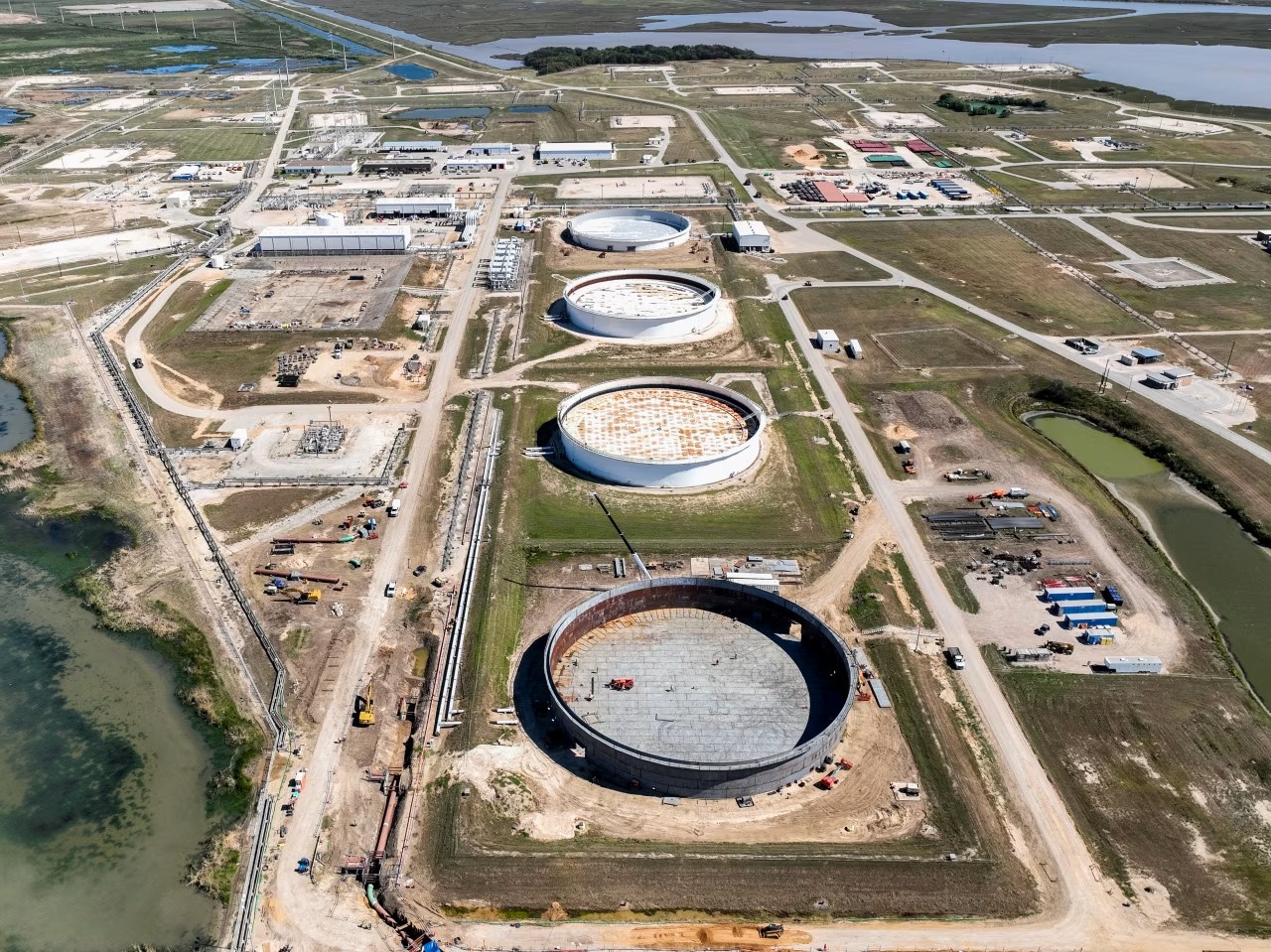
The Trump oil price move called for tapping 40 % of the United States’ Strategic Petroleum Reserve, a stockpile that totals about 714 million barrels. The 40 % draw therefore equates to roughly 285 million barrels, a volume that would be released over a multi‑month window.
According to the U.S. Energy Information Administration’s Weekly Petroleum Status Report (July 2024), the SPR’s average daily draw capacity is 4 million barrels. Even if the full 285 million barrels were released at maximum speed, the infusion would last just over 70 days – a blink in the context of a market that consumes roughly 100 million barrels of oil per day worldwide.
Janiv Shah emphasized that “the SPR is a strategic buffer, not a price‑setting tool.” He argued that the market’s expectation of a rapid price drop was unrealistic given the modest daily injection relative to global demand.
Energy policy scholar Dr. Evelyn Ramos of Georgetown University noted that previous SPR releases during the 2011 Arab Spring and the 2020 COVID‑19 pandemic produced only temporary price relief, with Brent rebounding once the draw‑down concluded.
In short, the sheer size of the SPR draw, while impressive on paper, translates into a limited daily supply boost. The following chapter will compare that boost directly with the daily volume trapped in the Hormuz chokepoint.
Strait of Hormuz Bottleneck: Why 9‑10 Million Barrels Remain Trapped
Strait of Hormuz Bottleneck: Why 9‑10 Million Barrels Remain Trapped
The narrow waterway between Oman and Iran, the Strait of Hormuz, carries roughly 20‑25% of the world’s oil trade. In 2022, satellite data showed that geopolitical tensions forced operators to reroute about 9‑10 million barrels per day through longer pipelines, effectively “trapping” that volume in the region.
Janiv Shah of Rystad Energy quantified the impact: “Even with the IEA’s 3 million‑barrel daily release, we are still short of the 9‑10 million barrels per day that remain immobilized behind Hormuz.” His analysis draws on vessel‑tracking data released by the International Maritime Organization in early 2023.
IEA analyst Sophie Dubois added that the Hormuz bottleneck is not merely a logistical hiccup but a geopolitical lever. “Any escalation could instantly cut the 9‑10 million‑barrel daily flow, sending shockwaves through the Brent market,” she warned in a briefing to the European Parliament.
To visualize the disparity, the bar chart below pits the daily volume trapped in Hormuz against the IEA’s daily release. The gap illustrates why the Trump oil price move, even with a sizable SPR draw, could not compensate for the larger structural shortfall.
Understanding this imbalance is crucial for policymakers who continue to seek short‑term fixes. The next chapter tracks how the market actually responded to these supply‑side signals.
Did the Market React? Brent Prices Before and After the Announcement
Did the Market React? Brent Prices Before and After the Announcement
Market sentiment is the ultimate litmus test for any policy move. On the morning of the IEA announcement, Brent crude settled at $90.12 per barrel, according to Bloomberg’s commodity desk. By Friday, the same benchmark closed at $103.45 – a $13.33 rise that eclipsed the modest supply boost.
Energy economist Dr. Marco Alvarez of the University of Texas explained that “the price rise was driven more by tightening sentiment around Hormuz than by the SPR or IEA releases.” He cited a spike in futures contracts for the week of June 12‑18, 2024, which showed a steep contango, indicating market expectations of continued scarcity.Janiv Shah’s model, published in Rystad Energy’s June 2024 outlook, projected a price impact of –$2 to –$3 per barrel from the combined SPR and IEA releases. The actual $13 increase represents a deviation of over 400% from that forecast.
To illustrate the price trajectory, the line chart below tracks Brent’s daily closing price from June 1 to June 30, 2024. The modest dip on June 12 is quickly erased by a sustained upward trend, underscoring the limited efficacy of the Trump oil price move.
This price behavior signals that future interventions must address the underlying flow constraints rather than rely on one‑off inventory releases. The final chapter explores policy options that could bridge the Hormuz gap.
Can Future Releases Counteract Hormuz Constraints?
Can Future Releases Counteract Hormuz Constraints?
Looking ahead, policymakers face a stark question: will additional emergency releases ever be enough to offset the Hormuz bottleneck? The answer hinges on the proportion of supply that can realistically be redirected.
A recent analysis by the International Energy Agency, featured in its August 2024 Outlook, broke down potential supplemental sources: IEA‑coordinated releases (30%), U.S. SPR drawdowns (20%), OPEC+ voluntary cuts (25%), and market speculation or strategic hedging (25%). The donut chart below visualizes this mix, highlighting that even an aggressive SPR draw would only account for a fifth of the needed relief.
IEA senior analyst Thomas Becker warned that “reliance on stockpiles is a stop‑gap; the long‑term solution lies in diversifying routing and expanding pipeline capacity around Hormuz.” He cited a joint Saudi‑UAE pipeline project slated for completion in 2027 that could shave 2‑3 million barrels per day off the chokepoint’s load.
Former U.S. Energy Secretary Lisa Jackson, speaking at the Atlantic Council in September 2024, echoed this sentiment, noting that “strategic reserves are insurance, not a price‑setting mechanism.” She advocated for diplomatic engagement with Iran to secure safe passage for tankers, a move that could instantly release the trapped 9‑10 million barrels per day.
In sum, while the Trump oil price move demonstrated political will, the data suggest that without addressing the Hormuz flow issue, any future releases will only provide a marginal cushion. Policymakers must therefore pair inventory strategies with geopolitical and infrastructure initiatives to achieve lasting price stability.
Frequently Asked Questions
Q: What was the Trump administration’s plan to lower oil prices?
The Trump oil price move called for releasing roughly 40% of the U.S. Strategic Petroleum Reserve – about 285 million barrels – to flood the market and push Brent crude lower.
Q: How much oil did the IEA agree to release?
The International Energy Agency pledged a coordinated release of 400 million barrels from member emergency stocks, with the United States slated to contribute close to half of that volume.
Q: Why does the Strait of Hormuz affect global oil prices?
The narrow Hormuz chokepoint carries 20‑25% of world oil trade; any disruption can cut daily flows by 9‑10 million barrels, tightening global supply and propping up prices.
