US Wars in the Middle East: A History of Miscalculation and Misadventure
- The George W. Bush administration’s invasion of Iraq was justified by the claim of Iraqi weapons of mass destruction.
- The 2003 Iraq War was the most publicly vetted decision in US history, with the debate aired almost every night on the ‘Charlie Rose’ show.
- The US has a history of miscalculating and misadventuring in the Middle East, with costly consequences.
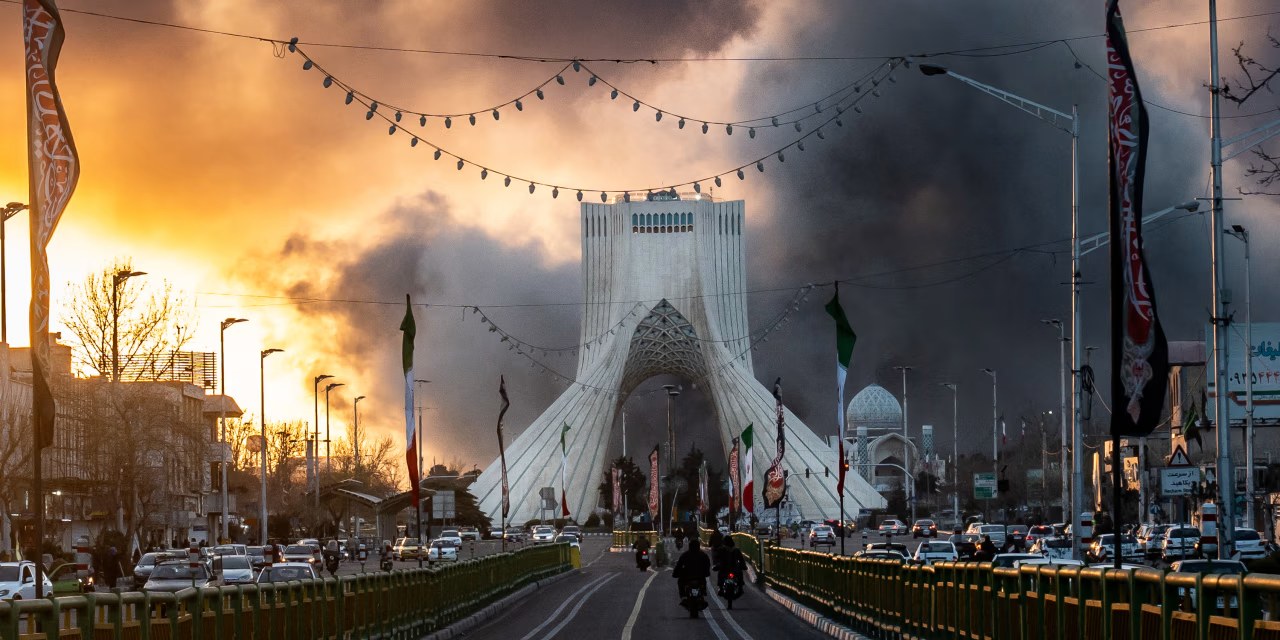
- The Trump Administration‘s Operation Epic Fury in Iran is the latest example of this pattern.
A Cautionary Tale of US Intervention in the Middle East
IRAN WAR—The US has a long and troubled history of intervention in the Middle East, with the invasion of Iraq in 2003 being a particularly notable example. The Bush administration’s justification for the war was based on the claim that Iraq possessed weapons of mass destruction, although this claim was later disputed.
The invasion was widely criticized at the time, and its consequences have been far-reaching and devastating. The war has resulted in the deaths of hundreds of thousands of people, displaced millions more, and destabilized the entire region.
The Iraq War: A Cautionary Tale
The 2003 invasion of Iraq was the most publicly vetted decision in US history, with the debate aired almost every night on the ‘Charlie Rose’ show. The Bush administration’s justification for the war was based on the claim that Iraq possessed weapons of mass destruction, although this claim was later disputed.
Why Did the US Invade Iraq?
The US invasion of Iraq was motivated by a desire to expand US influence in the Middle East and to remove Saddam Hussein from power. The administration also claimed that Iraq posed a threat to US national security, although this claim was later disputed.
The invasion was widely criticized at the time, and its consequences have been far-reaching and devastating. The war has resulted in the deaths of hundreds of thousands of people, displaced millions more, and destabilized the entire region.
The war also had significant economic consequences. The cost of the war to the US taxpayer was estimated to be over $2 trillion, and the war led to a significant increase in oil prices.
The US’s failure to establish a stable government in Iraq has also had far-reaching consequences. The country has been plagued by sectarian violence, and the US’s presence has been widely resented by many Iraqis.
Despite these challenges, the US has continued to maintain a significant military presence in the region. The US has over 5,000 troops stationed in Iraq, and the US has also maintained a significant presence in neighboring countries such as Kuwait and the United Arab Emirates.
The US’s continued involvement in the region has raised questions about the effectiveness of its military strategy. The US has been criticized for its use of airstrikes and special operations forces, which have often been seen as ineffective in achieving their objectives.
Iraq War Casualties by Year
Source: Iraq Body Count
Madeleine Albright’s Warning
Madeleine Albright, Bill Clinton’s secretary of state, saw Saddam Hussein’s survival as a significant obstacle to US interests in the region. She argued that the US should take action to remove him from power and to stabilize the region.
What Were the Consequences of the Iraq War?
The Iraq war has had far-reaching and devastating consequences for the US and the people of the region. The war resulted in the deaths of hundreds of thousands of people, displaced millions more, and destabilized the entire region.
The war also had significant economic consequences. The cost of the war to the US taxpayer was estimated to be over $2 trillion, and the war led to a significant increase in oil prices.
The US’s failure to establish a stable government in Iraq has also had far-reaching consequences. The country has been plagued by sectarian violence, and the US’s presence has been widely resented by many Iraqis.
▲ +100%
Source: Iraq Body Count
The Trump Administration’s Operation Epic Fury
The Trump administration’s Operation Epic Fury in Iran is the latest example of the US’s checkered past in the Middle East. The operation is marked by miscalculation and misadventure, with costly consequences for the US and the people of the region.
What Are the Implications of the Operation?
The implications of the operation are far-reaching and devastating. The operation has resulted in the deaths of dozens of people, displaced thousands more, and destabilized the entire region.
The operation has also had significant economic consequences. The cost of the operation to the US taxpayer is estimated to be over $1 billion, and the operation has led to a significant increase in oil prices.
The US’s continued involvement in the region has raised questions about the effectiveness of its military strategy. The US has been criticized for its use of airstrikes and special operations forces, which have often been seen as ineffective in achieving their objectives.
Operation Epic Fury Casualties
Source: Human Rights Watch
Conclusion
The history of US wars in the Middle East is marked by miscalculation and misadventure, with costly consequences for the US and the people of the region. The Trump administration’s Operation Epic Fury is the latest example of this pattern.
What Is the Way Forward?
The way forward is to adopt a more cautious and nuanced approach to US intervention in the Middle East. This requires a deep understanding of the region’s complex history and politics, as well as a commitment to diplomacy and dialogue.
The US must also address the root causes of the region’s instability, including poverty, inequality, and lack of access to education and healthcare. This will require significant investment in the region and a commitment to long-term development.
The US should also work to build stronger relationships with regional partners, including countries such as Saudi Arabia and the United Arab Emirates. This will require a more subtle and nuanced approach to diplomacy, one that takes into account the complex interests and motivations of each country.
Frequently Asked Questions
Q: What was the George W. Bush administration’s justification for invading Iraq?
The Bush administration claimed Iraq possessed weapons of mass destruction, although this claim was later disputed. In reality, the invasion was part of a deeper strategic design to expand US influence in the Middle East.
Q: What was Madeleine Albright’s view on Saddam Hussein’s survival?
Madeleine Albright, Bill Clinton’s secretary of state, saw Saddam Hussein’s survival as a significant obstacle to US interests in the region.
Q: How long was the 2003 Iraq war publicly debated?
The Bush administration’s decision to invade Iraq was the most publicly vetted decision in US history, with the debate aired almost every night on the ‘Charlie Rose’ show.
