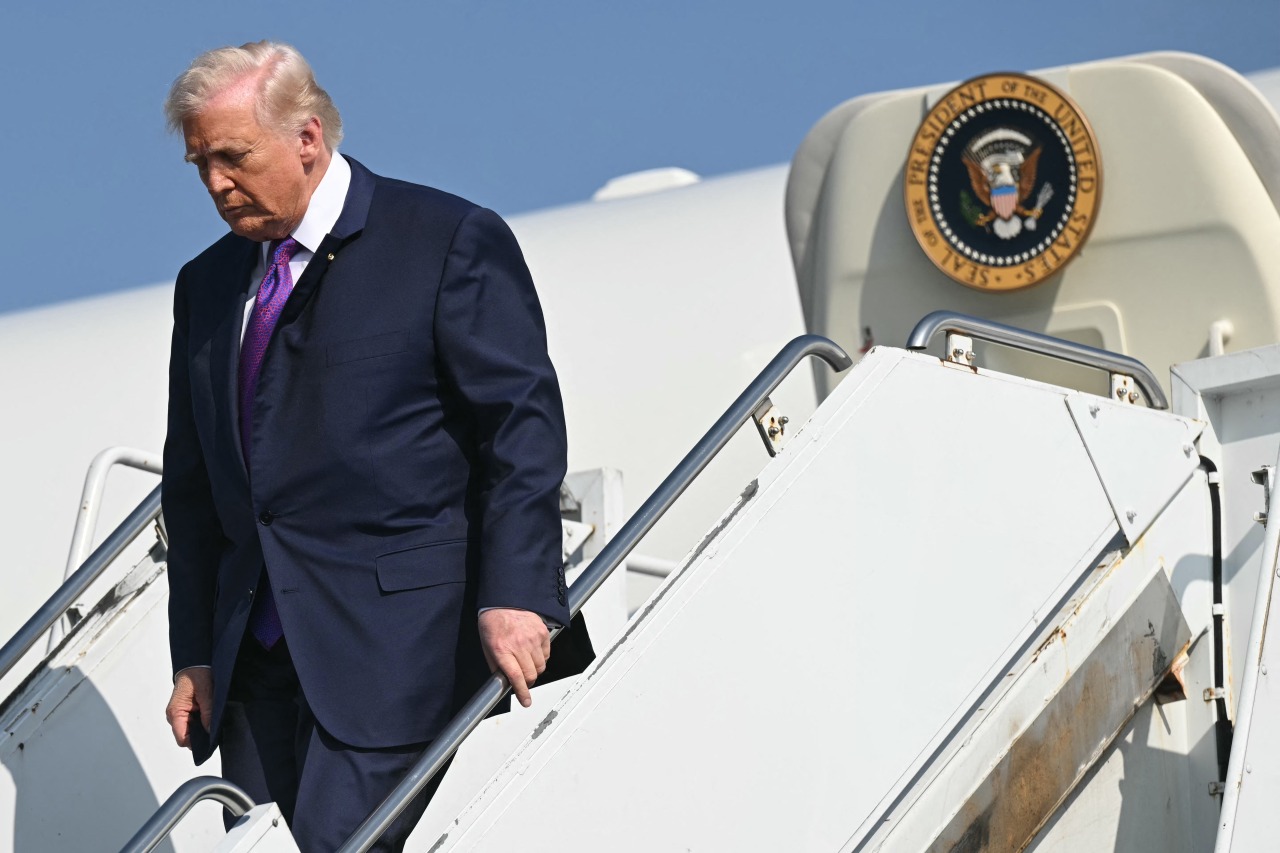
TARIFF WARS—The ongoing debate over tariffs has sparked intense discussions about their efficacy in promoting economic growth and protecting domestic industries. At the forefront of this debate is President Trump, who has been vocal about his dissatisfaction with the Federal Reserve’s economic research into his trade policies. But what lies beneath the surface of this controversy, and how do tariffs really impact the economy? This article delves into the complexities of tariffs, their historical context, and the reasons behind Trump’s frustration with the Federal Reserve’s research.
The History of Tariffs and Trade Policy
Introduction to Tariffs
Tariffs have been a cornerstone of international trade policy for centuries, with their use dating back to the early days of global commerce. Initially, tariffs were used as a primary source of government revenue, but over time, their purpose has evolved to include protection of domestic industries and as a tool for negotiating trade agreements.
Protectionist vs. Free Trade Policies
The debate between protectionist and free trade policies has been ongoing, with proponents of protectionism arguing that tariffs are necessary to shield domestic industries from foreign competition and prevent job losses. On the other hand, advocates of free trade contend that tariffs stifle economic growth, lead to higher consumer prices, and create trade barriers that hinder global cooperation.
The Impact of Tariffs on the Economy
Research has shown that tariffs can have far-reaching consequences for the economy, including increased consumer prices, reduced competition, and decreased economic efficiency. The effects of tariffs can also be felt across different sectors, from agriculture to manufacturing, and can have significant implications for international trade relationships.
Trump’s Trade Policies and the Federal Reserve’s Research
Trump’s Tariff Strategy
President Trump’s trade policies have been marked by a significant increase in tariff imposition, particularly against China, with the aim of reducing the trade deficit and protecting American industries. However, the Federal Reserve’s economic research has raised questions about the effectiveness of these policies, citing concerns over their impact on inflation, economic growth, and the potential for retaliatory measures from other countries.
The Federal Reserve’s Research and Trump’s Response
The Federal Reserve’s research has provided a data-driven analysis of the effects of tariffs, which has been at odds with the Trump administration’s narrative. The research has shown that tariffs have led to increased costs for consumers and businesses, as well as a decline in economic activity in certain sectors. Trump’s response to the research has been critical, with the President arguing that the Federal Reserve is wrong and that his trade policies are necessary to protect American interests.
Implications of the Controversy
The controversy surrounding the Federal Reserve’s research and Trump’s trade policies has significant implications for the future of international trade and economic policy. As the debate continues, it is essential to examine the evidence and consider the potential consequences of protectionist policies, including the impact on consumers, businesses, and the overall economy.
The Global Consequences of Tariff Wars
Escalating Trade Tensions
The ongoing tariff wars between the United States and other countries have led to a significant escalation in trade tensions, with potentially far-reaching consequences for the global economy. The World Trade Organization (WTO) has warned that the increasing use of tariffs could lead to a decline in global trade, reduced economic growth, and increased poverty.
Impact on Developing Countries
The consequences of tariff wars are particularly concerning for developing countries, which rely heavily on international trade to drive economic growth and reduce poverty. The imposition of tariffs by developed countries can limit access to markets, reduce exports, and exacerbate existing economic challenges.
Path Forward for International Trade
As the global economy continues to evolve, it is essential to find a path forward for international trade that balances the need for protection of domestic industries with the benefits of free trade and global cooperation. This requires a nuanced understanding of the complexities of tariffs and their impact on the economy, as well as a commitment to evidence-based policy-making.
