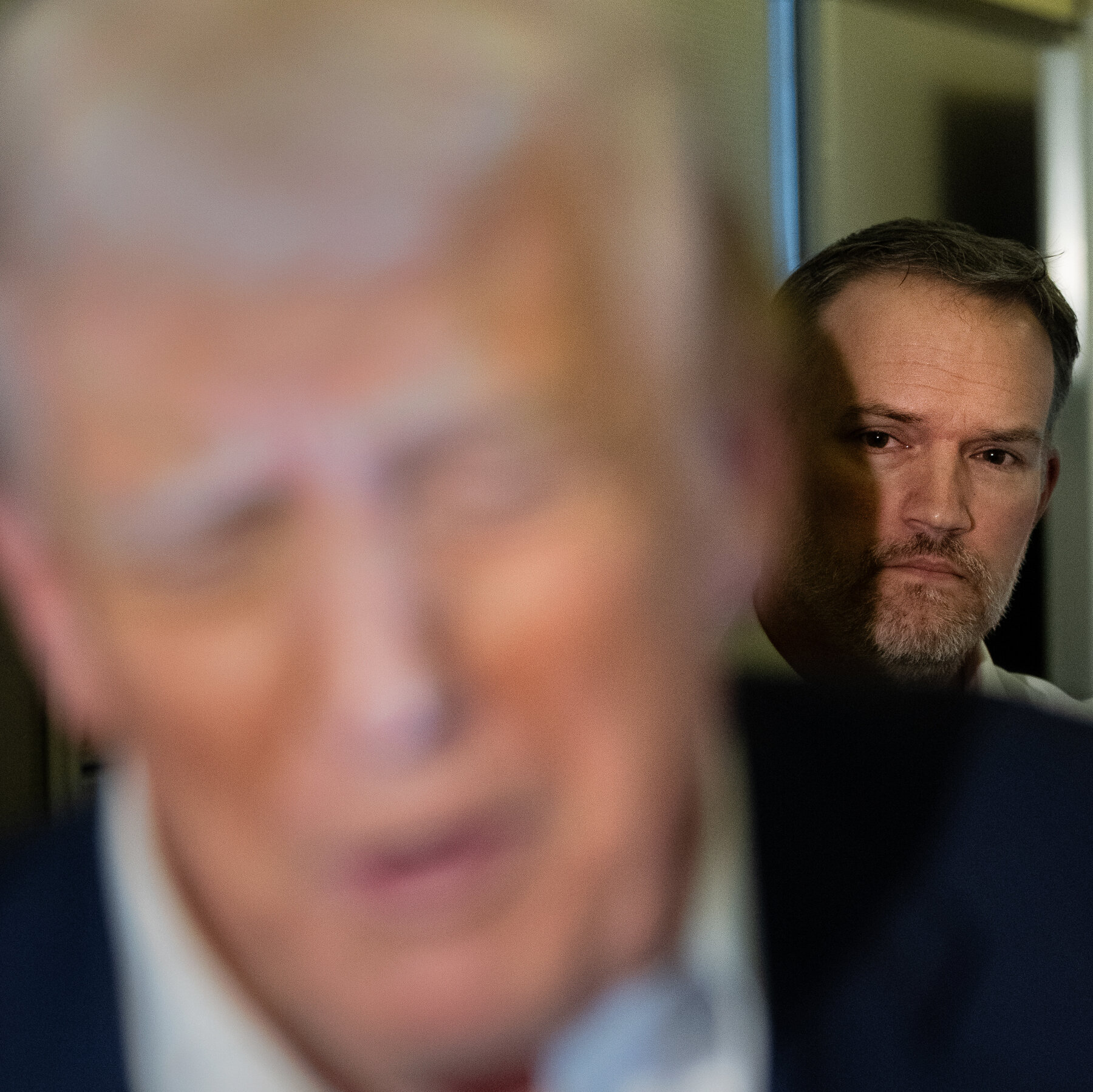
TRUMP ADMINISTRATION—It was a chilly winter morning in 2017 when Jamieson Greer, a soft-spoken lawyer from a working-class background, first stepped into the White House. With a career spanning over two decades in international trade law, Greer was about to embark on a journey that would redefine the global economy. As the newly appointed chief trade counsel to the President, Greer was tasked with crafting the policies that would underpin Donald Trump’s aggressive trade agenda. Little did the world know, this unassuming figure would soon become the driving force behind the most significant overhaul of the global trade landscape in decades.
The Unlikely Architect of a Global Trade Shift
Jamieson Greer’s ascent to the pinnacle of trade policy-making is a story of quiet determination and unwavering dedication. Born and raised in a working-class family, Greer’s early life was marked by financial struggles and unrelenting hard work. His parents, both factory workers, instilled in him a strong work ethic and an unshakeable commitment to education. Greer’s academic prowess earned him a scholarship to a prestigious law school, where he developed a passion for international trade law.
Early Career and the Rise to Prominence
After completing his law degree, Greer began his career in a small law firm specializing in trade law. His exceptional analytical skills and innate ability to navigate complex trade agreements quickly earned him recognition within the industry. As his reputation grew, so did his portfolio of high-profile clients. Greer’s expertise in trade law caught the attention of the Trump administration, which was seeking a skilled and experienced lawyer to lead its trade policy efforts.
A New Era in Trade Policy
Greer’s appointment as the chief trade counsel to the President marked a significant turning point in the Trump administration’s trade policy. With his deep understanding of international trade agreements and his expertise in negotiating complex deals, Greer was instrumental in shaping the administration’s aggressive trade agenda. His influence can be seen in the renegotiation of NAFTA, the imposition of tariffs on Chinese goods, and the withdrawal from the Trans-Pacific Partnership.
Wall Street Reacts to the $30 Billion Valuation of the US-China Trade Deal
The trade deal between the United States and China, valued at over $30 billion, sent shockwaves through the financial markets. Investors and analysts scrambled to understand the implications of the agreement, which marked a significant shift in the global trade landscape. As news of the deal broke, Wall Street reacted with a mix of optimism and caution. Stocks related to trade and manufacturing experienced a surge, while those in the technology and finance sectors saw a decline.
Winners and Losers
The trade deal created both winners and losers in the business world. Companies with significant exposure to Chinese markets, such as Apple and Boeing, saw their stocks rise. On the other hand, companies with high tariffs imposed on their products, such as Ford and General Motors, experienced a decline. The deal also had a profound impact on the global supply chain, with companies scrambling to adjust their sourcing and manufacturing strategies.
Economic Implications
The US-China trade deal has significant economic implications for both countries. The agreement is expected to boost American exports, particularly in the agricultural sector, while also reducing the trade deficit. However, the deal also raises concerns about the potential for trade tensions to escalate in the future. As the global economy continues to evolve, the impact of the trade deal will be closely watched by investors, policymakers, and business leaders around the world.
The Anatomy of a Trade War: Understanding the Key Players and Their Roles
The trade war between the United States and China is a complex and multifaceted issue, involving a wide range of players and interests. At its core, the trade war is a struggle for economic dominance between the world’s two largest economies. The key players in this conflict include the Trump administration, the Chinese government, and the various industries and companies affected by the trade policies.
The Trump Administration
The Trump administration, led by the President and his trade advisors, has been the driving force behind the trade war. The administration’s aggressive trade agenda is centered on reducing the trade deficit, protecting American industries, and promoting fair trade practices. Key figures in the administration, including Jamieson Greer, have played a crucial role in shaping the trade policies and negotiating with China.
The Chinese Government
The Chinese government, led by President Xi Jinping, has responded to the Trump administration’s trade policies with a mix of restraint and defiance. China has imposed its own tariffs on American goods, while also seeking to diversify its trade relationships and reduce its dependence on the US market. The Chinese government has also sought to promote its own economic interests, including the Belt and Road Initiative, which aims to establish China as a global economic leader.
The Human Cost of a Global Trade War: Stories from the Front Lines
The trade war between the United States and China has far-reaching consequences that extend beyond the realm of economics and politics. The human cost of the trade war is a story of lost livelihoods, disrupted communities, and uncertain futures. From the farmers who have seen their exports plummet to the factory workers who have lost their jobs, the trade war has left a trail of devastation in its wake.
Farmers and the Agricultural Sector
The agricultural sector has been one of the hardest hit by the trade war. Farmers who rely on exports to China have seen their incomes decline sharply, as tariffs and trade restrictions have reduced demand for their products. The impact has been particularly severe for small-scale farmers, who lack the resources and diversification to absorb the shocks of the trade war.
Factory Workers and the Manufacturing Sector
Factory workers in the manufacturing sector have also been affected by the trade war. As companies adjust to the new trade landscape, many have been forced to lay off workers or reduce production. The impact has been particularly severe in industries such as steel and aluminum, where tariffs have increased costs and reduced demand.
Forecasting the Future of Global Trade: What Happens Next?
The future of global trade is uncertain and complex, with multiple scenarios and outcomes possible. As the trade war between the United States and China continues to evolve, the world is watching with bated breath. The outcome of the trade war will have far-reaching consequences for the global economy, international relations, and the lives of people around the world.
Scenario 1: A Comprehensive Trade Deal
One possible scenario is a comprehensive trade deal between the United States and China, which would mark a significant breakthrough in the trade war. Such a deal would likely involve significant concessions from both sides, including reductions in tariffs, improvements in market access, and enhanced cooperation on issues such as intellectual property and technology transfer. A comprehensive trade deal would provide a much-needed boost to the global economy, reducing uncertainty and promoting investment and growth.
Scenario 2: A Prolonged Trade War
Another possible scenario is a prolonged trade war, which would continue to disrupt global supply chains, reduce trade, and increase tensions between the United States and China. A prolonged trade war would have significant consequences for the global economy, including reduced growth, higher inflation, and increased unemployment. The impact would be particularly severe for industries that rely heavily on international trade, such as manufacturing, logistics, and finance.
