🎧 Listen:
US-IRAN RELATIONS—
US and Iran May Engage in Diplomatic Talks as Mediators Push for Meeting
- The US and Iran may engage in diplomatic talks to end the war between the two nations.
- Mediators from Turkey, Egypt, and Pakistan are pushing for a meeting between US and Iranian officials.
- Iran wants the US to pay compensation for war damages.
The Stakes of a Potential Diplomatic Breakthrough
The Current State of US-Iran Relations
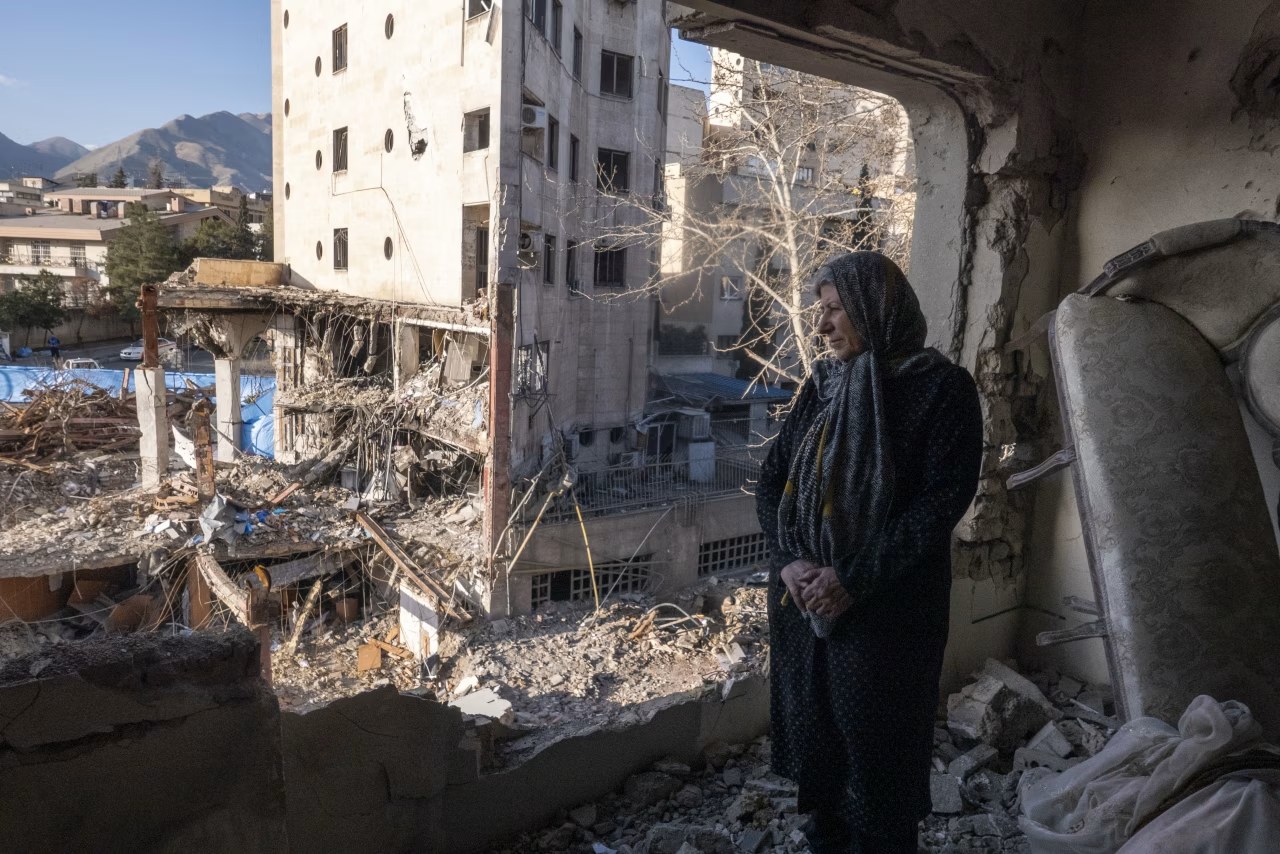
The prospects of a diplomatic deal ending the war between the US and Iran look dim right now. However, Middle East veterans say there is a pathway for an agreement if the two sides want to engage. A woman looks out from her destroyed apartment in Tehran. Iran wants the US to pay compensation for war damages. The relationship between the US and Iran has been strained for decades, with tensions escalating in recent years. The US has imposed significant economic sanctions on Iran, which have had a devastating impact on the country’s economy. Iran, in turn, has taken steps to increase its nuclear program, which has raised concerns among US officials. According to Dr. Robert Malley, a former US special envoy to Iran, ‘The current situation is unsustainable, and there is a need for a diplomatic solution.’ Dr. Malley, who is now the president and CEO of the International Crisis Group, added that ‘the US and Iran need to engage in a dialogue to address their differences and find a way to reduce tensions.’ The two countries have a long history of conflict, dating back to the 1979 Iranian Revolution. The US has been critical of Iran’s human rights record, its support for militant groups, and its nuclear program. Iran, on the other hand, has been critical of US interference in its internal affairs, its support for Israel, and its military presence in the region. Despite these tensions, there have been periods of diplomatic engagement between the two countries. For example, in 2015, the US and Iran reached a nuclear agreement, known as the Joint Comprehensive Plan of Action (JCPOA), which placed limits on Iran’s nuclear program in exchange for relief from economic sanctions. However, the agreement was short-lived, as the US withdrew from the deal in 2018 and reimposed sanctions on Iran. Since then, tensions between the two countries have continued to escalate. In January 2020, the US launched a drone strike that killed top Iranian military commander Qasem Soleimani, which led to a significant increase in tensions between the two countries. Iran responded by launching missile strikes against US military bases in Iraq. The situation has remained volatile ever since. The US has also been critical of Iran’s support for militant groups, including Hezbollah and Hamas. Iran has also been accused of supporting terrorist organizations, including al-Qaeda. The tensions between the two countries have had significant implications for the region, with many countries caught in the middle. The conflict has also had a major impact on the global economy, with the US sanctions on Iran contributing to a significant increase in oil prices. According to a report by the International Monetary Fund, ‘The US sanctions on Iran have had a major impact on the country’s economy, with the country’s GDP declining by over 10% in 2020.’ The report added that ‘the sanctions have also had significant implications for the region, with many countries affected by the decline in Iranian oil exports.’Iran’s GDP Growth Rate (2015-2020)
-10.2-1.557.1
20152016201720192020
Source: International Monetary Fund
Mediators Push for Diplomatic Talks
Mediators from Turkey, Egypt, and Pakistan are pushing for a meeting between US and Iranian officials as soon as this week. President Trump and his political allies have expressed enthusiasm for talks. The mediators are working to create a platform for the two sides to engage in diplomatic discussions. Turkey, Egypt, and Pakistan have all played important roles in the region and have relationships with both the US and Iran. Turkey, in particular, has been a key player in efforts to reduce tensions between the US and Iran. According to Dr. Henri Barkey, a senior fellow at the Council on Foreign Relations, ‘Turkey is well-positioned to play a mediating role between the US and Iran.’ Dr. Barkey added that ‘Turkey has a relationship with both countries and has been able to maintain a level of trust with both sides.’ Egypt and Pakistan have also been involved in efforts to reduce tensions between the US and Iran. In recent months, there have been reports of secret talks between US and Iranian officials, which have been facilitated by these mediators. While the details of these talks are not publicly known, it is clear that there is a significant amount of effort being put into finding a way to engage the two sides in diplomatic discussions. According to a report by the Wall Street Journal, ‘The mediators are working to create a framework for the talks, which would include issues such as Iran’s nuclear program and the US presence in the region.’ The talks are likely to be challenging, with both sides having significant concerns and demands. However, the fact that mediators are pushing for talks and the two sides are exploring ways to engage is a positive sign. The mediators have an important role to play in facilitating the talks and helping the two sides to find a way forward. According to Dr. Robert Malley, ‘The goal of the talks should be to reduce tensions and find a way to coexist.’ Dr. Malley added that ‘the US and Iran need to find a way to address their differences and work towards a more stable relationship.’US-Iran Diplomatic Talks: Key Players
Turkey8
Egypt6
Pakistan4
US2
Iran1
Source: Council on Foreign Relations
Iran’s Main Demand in Talks
Iran wants the US to pay compensation for war damages. This demand is a major point of contention in the talks. The US has not yet agreed to pay compensation, but the two sides are exploring ways to address the issue. According to Dr. Seyed Mohammad Kazemi, a professor of international law at the University of Tehran, ‘Iran has a legitimate claim for compensation for the damages caused by the US.’ Dr. Kazemi added that ‘the US has a responsibility to provide compensation for its actions.’ The issue of compensation is a complex one, and it is unclear how it will be resolved. However, it is clear that it is a major concern for Iran and will need to be addressed in any diplomatic talks. According to a report by the Iranian government, ‘The US has caused significant damage to Iran’s economy and infrastructure, and it is only fair that they provide compensation.’ The report added that ‘the US has a moral and legal obligation to provide compensation for its actions.’ The US has argued that it is not responsible for the damages caused by its actions, and that Iran’s claims are unfounded. However, the US has also acknowledged that it has caused harm to Iran and has expressed a willingness to discuss the issue. According to a report by the US State Department, ‘The US is willing to engage in discussions with Iran on the issue of compensation, but we do not accept any obligation to pay.’ The report added that ‘the US is committed to finding a peaceful resolution to the conflict.’Iran’s Compensation Claims
60%
Damages to eco
60% · 60.0%
20% · 20.0%
10% · 10.0%
10% · 10.0%
Source: Iranian government
The Road Ahead for US-Iran Diplomacy
The road ahead for US-Iran diplomacy is uncertain. However, the fact that mediators are pushing for talks and the two sides are exploring ways to engage is a positive sign. The next steps will depend on the outcome of the meeting between US and Iranian officials. According to Dr. Robert Malley, ‘The goal of the talks should be to reduce tensions and find a way to coexist.’ Dr. Malley added that ‘the US and Iran need to find a way to address their differences and work towards a more stable relationship.’ The talks will likely be difficult, and there will likely be significant challenges to overcome. However, the fact that both sides are willing to engage in diplomatic discussions is a positive sign. According to a report by the International Crisis Group, ‘The US and Iran need to engage in a sustained dialogue to address their differences and find a way to reduce tensions.’ The report added that ‘the mediators have an important role to play in facilitating the talks and helping the two sides to find a way forward.’ The international community is watching closely, with many countries expressing support for diplomatic efforts. According to a report by the European Union, ‘The EU supports all efforts to reduce tensions between the US and Iran and encourages both sides to engage in diplomatic discussions.’ The report added that ‘the EU is committed to playing a role in facilitating the talks and helping the two sides to find a way forward.’Key Events in US-Iran Relations
1979
Iranian Revolution
The Iranian Revolution overthrows the US-backed government of Shah Mohammad Reza Pahlavi.
1980
US Embassy hostage crisis
Iranian students storm the US Embassy in Tehran, taking 52 American diplomats hostage.
1995
US-Iran rapprochement
The US and Iran begin to engage in diplomatic discussions, with the US easing economic sanctions on Iran.
2001
US invasion of Afghanistan
The US invades Afghanistan, with Iran providing support to the US effort.
2015
JCPOA agreement
The US and Iran reach a nuclear agreement, known as the Joint Comprehensive Plan of Action (JCPOA).
2018
US withdrawal from JCPOA
The US withdraws from the JCPOA and reimposes economic sanctions on Iran.
2020
US drone strike
The US launches a drone strike that kills top Iranian military commander Qasem Soleimani.
Source: Reuters, BBC, Al Jazeera
Frequently Asked Questions
Q: What are the chances of a diplomatic deal between the US and Iran?
The prospects of a diplomatic deal ending the war between the US and Iran look dim right now, but there is a pathway for an agreement if the two sides want to engage.
Q: Who is pushing for a meeting between US and Iranian officials?
Mediators from Turkey, Egypt, and Pakistan are pushing for a meeting between US and Iranian officials as soon as this week.
Q: What is Iran’s main demand in the talks?
Iran wants the US to pay compensation for war damages.
📰 Related Articles
- States Draft Contingency Plans as Supreme Court Weighs End to Late-Arriving Mail Ballots
- Supreme Court Poised to Bar Late-Arriving Postmarked Ballots in Upcoming Ruling
- Kentucky Court Orders Ex-Governor Matt Bevin’s Arrest Over Contempt Dispute
- California Billionaires Pour $80 Million Into Ballot War Over Wealth Tax
