🎧 Listen:
US Military’s Low-Cost Drone Designed Using Iranian Tech Proves Effective in Conflict, Achieving 83% Drop in Iranian Drone Attacks
- The US military designed a low-cost attack drone using reverse-engineered Iranian technology.
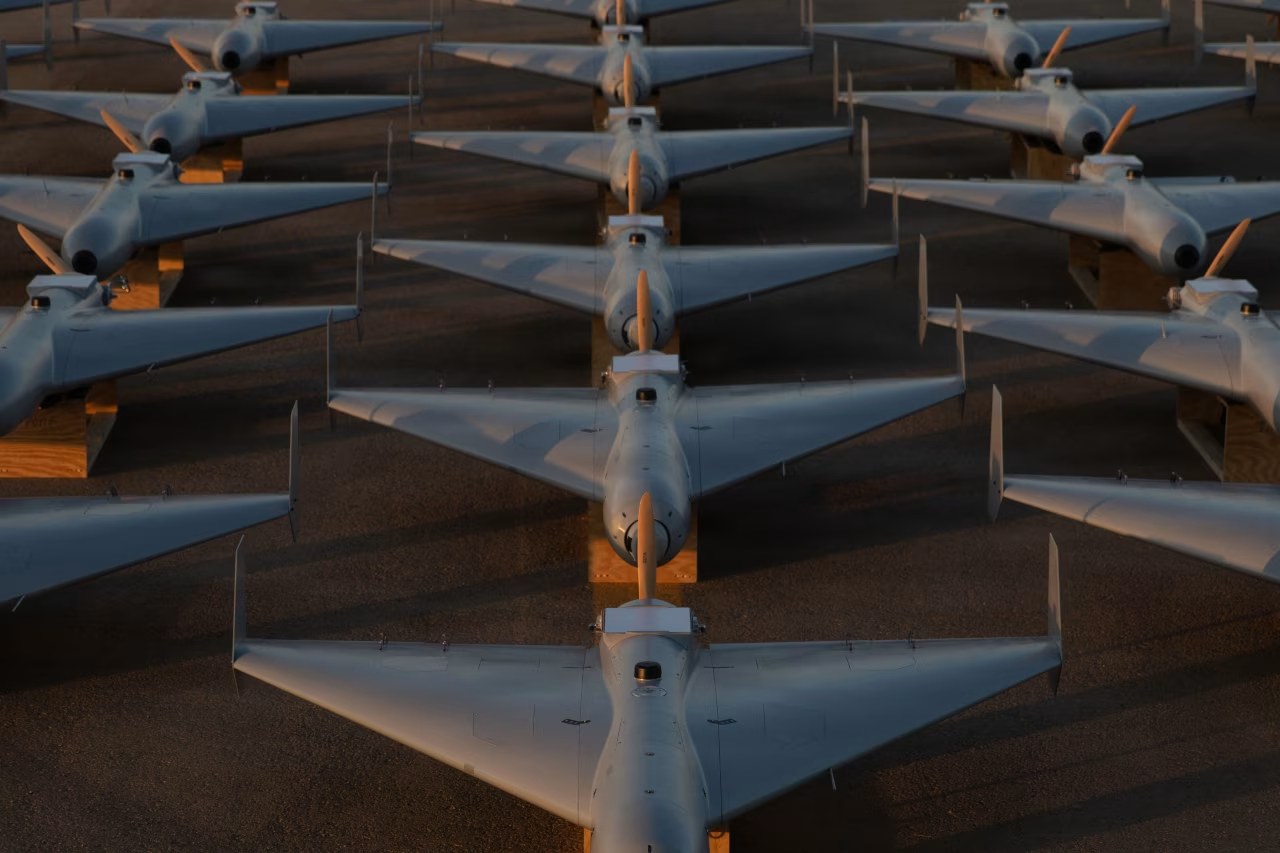
- The drone, known as the FLM 136 or Lucas, has been successful in strikes against Iranian targets.
- The development of Lucas marks a shift in the Pentagon’s approach to acquiring equipment.
- The drone was developed and deployed in under two years, a significant departure from the military’s traditional procurement timeline.
- The Lucas drone has been instrumental in reducing Iranian drone attacks.
The Rise of Low-Cost, Quick-Turnaround Drone Technology
US MILITARY—The US military’s development of the Lucas drone showcases its adaptability in leveraging reverse-engineered technology to counter emerging threats.
The Birth of Lucas: A New Era in Drone Technology
The FLM 136, or Lucas, drone was designed by the US military using reverse-engineered Iranian technology. This low-cost, attack-capable drone has been instrumental in the conflict against Iran. Developed in under two years, Lucas marks a significant shift in the Pentagon’s approach to acquiring equipment, prioritizing speed and affordability over traditional, expensive hardware.Lucas’s Impact on the Iran Conflict
The Lucas drone has been part of successful strikes on Iranian military targets, including weapons facilities, drone manufacturing sites, and air-defense nodes. According to senior defense officials, these strikes contributed to an 83% drop in Iranian drone attacks over the first few days of the war. This effectiveness underscores the potential of low-cost, quickly developed drones in modern conflict.Reduction in Iranian Drone Attacks
83%
Drop in Iranian drone attacks
Over the first few days of the war
Source: Senior defense officials
A New Strategy for the Pentagon
The development and deployment of the Lucas drone in under two years demonstrate the US military’s ability to rapidly adapt and respond to emerging threats. This approach contrasts with the traditional, multi-year procurement timelines for military equipment. The success of Lucas could pave the way for future low-cost, quick-turnaround drone development.The Future of Drone Warfare
As the conflict in Iran continues, the role of drones like Lucas will likely evolve. The effectiveness of these low-cost, attack-capable drones may lead to increased adoption and further development of similar technologies. This could redefine the landscape of modern warfare, emphasizing speed, affordability, and adaptability.Frequently Asked Questions
Q: What is the name of the drone designed by the US military using Iranian technology?
The drone is known as the FLM 136 or Lucas.
Q: How long did it take for the US military to develop the Lucas drone?
The US military went from blueprint to battle-ready drone in less than two years.
Q: What has been the impact of the Lucas drone on Iranian drone attacks?
The autonomous drones contributed to an 83% drop in Iranian drone attacks over the first few days of the war.
📰 Related Articles
- Judge Blocks Pentagon’s New Press Restrictions, Citing First Amendment Violations
- Inside the Pentagon’s Contentious Clash With Anthropic Over AI Procurement
- Eric Trump and Donald Trump Jr. are backing Powerus, a drone company vying to meet Pentagon demand and fill a hole left by the administration’s ban on new Chinese drones in the U.S.
- Is the U.S. Running Out of Ammo?
