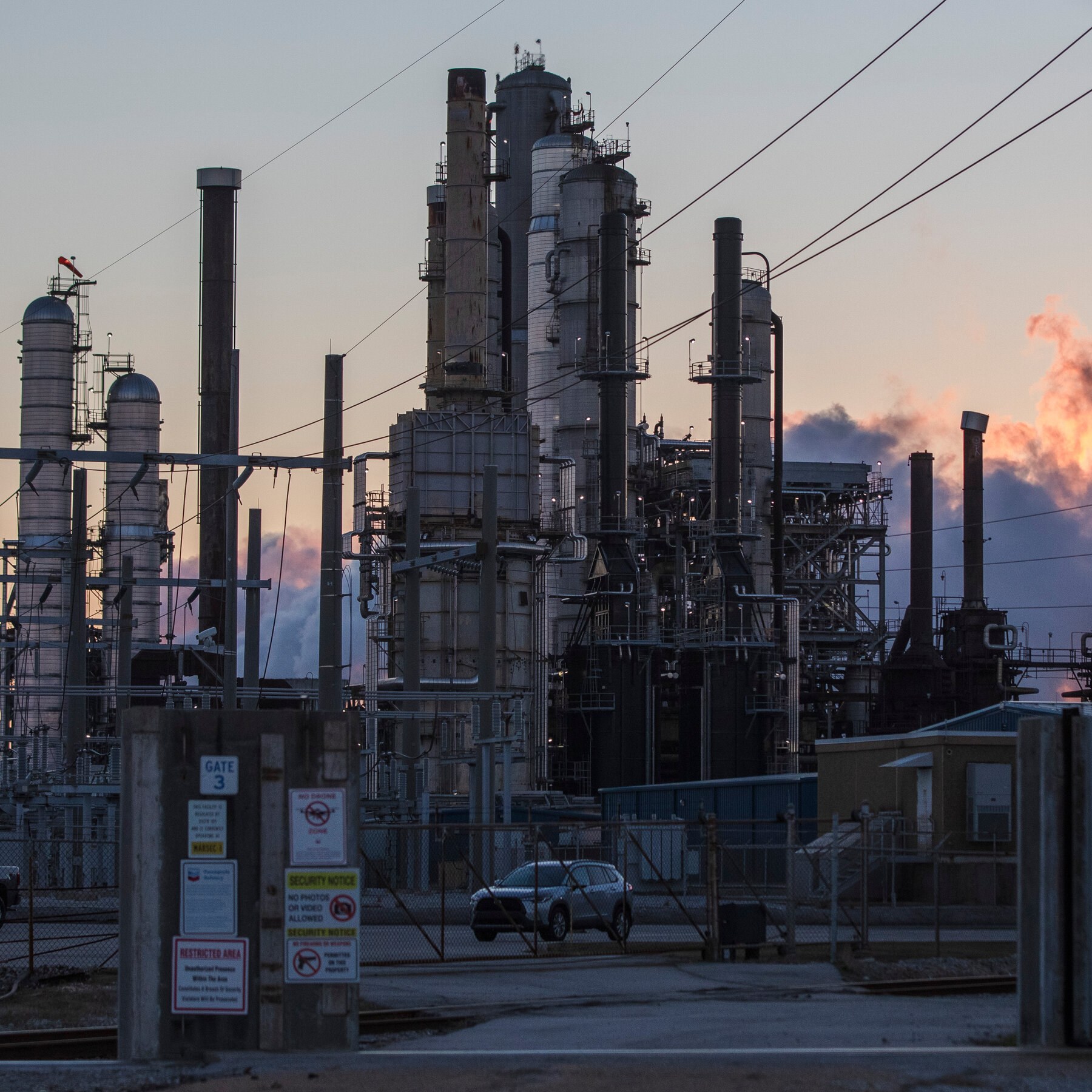
Utah’s Pioneering Oil Liability Shield Law Sets National Stage
- Utah has enacted a specific law to protect oil companies from climate-related legal challenges.
- This law is explicitly designed to insulate these companies from financial liability stemming from their role in global warming.
- Republicans are actively pursuing a nationwide legislative initiative to extend similar protections to oil giants across the country.
- The state-level action by Utah could serve as a significant precedent for this broader, national effort to limit corporate climate liability.
A New Front in the Climate Battle: Legislative Shields for Industry
REPUBLICAN AGENDA—In a significant move that could redefine the landscape of corporate environmental responsibility, Utah has recently passed a law aimed at insulating oil companies from the financial repercussions of their contributions to global warming. This legislative action, coming amidst growing pressure on the fossil fuel industry, marks a pivotal moment in the ongoing debate over climate accountability. The enactment of such an oil liability shield law at the state level signals a robust political effort to safeguard industry interests against the burgeoning wave of climate lawsuits.
The Utah initiative is not an isolated event but rather a localized manifestation of a broader, more ambitious political strategy. Reports indicate that a nationwide version of such protective legislation is actively being developed, suggesting a coordinated push by Republicans to establish comprehensive legal shields for oil giants across the United States. This development underscores the escalating tension between environmental advocacy groups seeking corporate accountability and political forces aiming to protect key economic sectors.
The implications of these oil liability shield laws are far-reaching, potentially influencing future investment in renewable energy, the financial stability of energy companies, and the overall trajectory of climate mitigation efforts. As Utah sets a precedent, the national conversation around corporate responsibility for global warming is poised to intensify, with significant legal, economic, and environmental ramifications yet to unfold.
The Utah Precedent: A State-Level Shield Against Climate Liability
The state of Utah has taken a definitive stance in the contentious debate surrounding corporate responsibility for climate change, enacting a law specifically designed to provide a protective legal framework for oil companies operating within its borders. This groundbreaking legislation aims to insulate these powerful industrial entities from efforts seeking to hold them financially accountable for their historical and ongoing role in global warming. The passing of this oil liability shield law represents a proactive measure by the state to mitigate potential financial exposures that could arise from the increasing number of climate lawsuits being filed nationwide.
Understanding the Scope of Utah’s Protections
The essence of Utah’s new law lies in its intent to create a legal barrier, preventing or significantly impeding legal actions that would compel oil companies to pay for damages or contribute to remediation efforts related to climate change impacts. While the specific mechanisms of the law are not detailed in the available information, its declared purpose is clear: to shield the industry. This protective stance by a state government highlights a growing trend among certain political factions to preemptively counter legal challenges against the fossil fuel sector, positioning state legislation as a bulwark against environmental litigation.
The implications of Utah’s decision are manifold. For environmental advocates and affected communities, such a law could be seen as a significant setback, potentially undermining efforts to secure justice and funding for climate adaptation. Conversely, for oil companies and their stakeholders, it offers a degree of regulatory certainty and reduces the perceived financial risks associated with operations in an era of heightened environmental scrutiny. This balance of interests forms the core of the continuing public and political discourse.
The very existence of this law suggests a recognition, within the legislative framework, that oil companies do indeed play a ‘role in global warming.’ The debate, therefore, shifts from whether there is a connection to whether there should be financial accountability for that role. By enacting such an oil liability shield law, Utah has chosen to prioritize the economic insulation of these companies, thereby shaping the future trajectory of climate policy within its jurisdiction and potentially influencing similar legislative considerations in other states. The success or challenges faced by Utah’s law will inevitably inform the discussions around a potential nationwide framework for such protections.
The Nationwide Ambition: A Broader Push for Corporate Protection
The legislative efforts originating in Utah are not an isolated phenomenon but rather a precursor to a more expansive political objective: the implementation of a nationwide oil liability shield law. Reports confirm that a broader, federal version of legislation aimed at protecting oil companies from climate lawsuits is actively in development. This national ambition signals a coordinated strategy by Republicans to establish comprehensive legal safeguards for the fossil fuel industry across the entire United States, moving beyond individual state-level initiatives.
Unpacking the Drive for Federal Immunity
The pursuit of a nationwide protective measure reflects a strategic shift from localized defenses to a more unified front. A federal oil liability shield law would likely supersede or significantly influence state-level efforts, creating a more uniform and robust shield for oil giants against a myriad of legal challenges. The underlying rationale for such a federal push is often cited as ensuring economic stability for a critical industry, fostering investment certainty, and preventing a patchwork of state-specific regulations that could complicate national operations.
The scope of a nationwide law could potentially be vast, touching upon various aspects of corporate liability, environmental regulations, and even the jurisdiction of courts in hearing climate lawsuits. This would inevitably ignite intense debate among lawmakers, environmental groups, industry representatives, and the judiciary. The legislative process for such a significant federal bill would likely be protracted and highly contentious, given the deep divisions over climate change policy and corporate accountability.
The concept of a nationwide oil liability shield law presents a significant challenge to the principle of polluter pays, a foundational element in environmental law. By offering broad immunity, such legislation could fundamentally alter how society assigns responsibility for environmental degradation and its associated costs. The progress of this proposed national version will be closely watched, not only for its immediate impact on the oil industry but for its broader implications on environmental justice and the future of climate governance in the United States, raising questions about how it might interact with existing legal precedents and international climate commitments.
The Legal Landscape: What Are ‘Efforts to Make Them Pay’?
The core impetus behind the Utah law and the proposed nationwide oil liability shield law is the rising tide of ‘efforts to make them pay’ for their role in global warming. These efforts encompass a complex and evolving legal landscape, primarily characterized by climate lawsuits filed by states, municipalities, and private entities against fossil fuel companies. These legal actions generally seek to hold oil giants accountable for a range of climate-related impacts, from sea-level rise and extreme weather events to infrastructure damage and public health crises.
Categorizing Climate Liability Claims
While specific details are absent from the source text, historically, these climate liability claims often fall into several categories. They frequently include allegations of public nuisance, where companies’ emissions are argued to interfere with public rights, such as health and safety. Other common legal theories involve trespass, for impacts like flooding; fraud or misrepresentation, related to alleged decades-long campaigns to mislead the public about climate science; and negligence, for failing to act responsibly despite knowledge of environmental risks. The aim of these lawsuits is typically to secure financial compensation for adaptation and resilience measures, or to fund mitigation projects that address the consequences of a changing climate.
The defendants in these cases—the ‘oil giants’—often argue that their operations were legal and compliant with regulations at the time, that climate change is a collective societal problem requiring legislative solutions rather than judicial intervention, and that attributing specific damages to specific companies’ emissions is scientifically and legally intractable. The emergence of oil liability shield laws, such as Utah’s, is a direct response to this mounting legal pressure, demonstrating an industry-backed legislative counter-strategy to bypass or neutralize judicial processes that seek to impose financial penalties.
The very phrase ‘efforts to make them pay’ encapsulates the adversarial nature of this legal battle, highlighting the significant financial stakes involved for both the plaintiffs, who seek remedies for damages, and the defendants, who face potentially billions in liabilities. The push for oil liability shield laws reflects a clear intention to redirect or halt these efforts, signaling a crucial moment in the broader legal and political struggle over who bears the financial burden of climate change impacts, and what avenues remain open for those seeking redress.
Economic and Environmental Implications of Liability Shields
The passage of an oil liability shield law in Utah and the pursuit of a nationwide version carry profound economic and environmental implications. Economically, such legislation aims to reduce the financial uncertainty and potential liabilities faced by oil companies. By insulating them from ‘efforts to make them pay,’ these laws could bolster investor confidence in the fossil fuel sector, potentially influencing investment decisions, capital allocation, and the long-term viability of traditional energy sources. This protection could be framed by proponents as essential for maintaining energy security and economic stability in regions reliant on oil and gas industries.
The Dual Impact: Industry Stability vs. Climate Action
However, the economic benefits for the industry could come at a significant cost to others. Shifting the financial burden away from oil companies means that the costs of climate change adaptation, disaster relief, and infrastructure repair would likely fall more heavily on taxpayers, municipalities, and other sectors of the economy. This could create a moral hazard, where companies might perceive less incentive to invest in decarbonization or cleaner energy technologies if their liability for climate impacts is legally curtailed. The long-term economic effects could include increased public spending on climate damages, reduced private sector innovation in green technologies, and a delayed transition to a low-carbon economy.
From an environmental perspective, the implications of oil liability shield laws are equally significant. If oil companies are less exposed to financial penalties for their role in global warming, it could diminish the legal and economic drivers for them to reduce greenhouse gas emissions. This might slow down the pace of climate action and mitigation efforts, potentially exacerbating the environmental impacts of a warming planet. The legislative shield effectively decouples a portion of the financial consequences from the environmental externalities of fossil fuel production and consumption.
Moreover, these laws could undermine the ability of communities to seek justice and resources to cope with climate change. By limiting the avenues for financial recovery through climate lawsuits, the laws place a greater burden on public funds and charitable organizations to address the escalating challenges posed by global warming. The balance between protecting industrial interests and ensuring environmental accountability is a central tension, one that these oil liability shield laws are designed to resolve in favor of the industry, potentially altering the dynamics of environmental governance for decades to come.
The Political Dynamics: Republican Pursuit of Industry Protection
The push for oil liability shield laws, epitomized by Utah’s recent enactment and the proposed nationwide version, clearly illustrates a significant political alignment: Republicans seeking protections for oil giants. This legislative strategy underscores a consistent policy stance within segments of the Republican party, prioritizing the economic interests and operational stability of the fossil fuel industry. This approach often frames environmental regulations and climate lawsuits as hindrances to economic growth, energy independence, and industrial competitiveness.
Ideological Foundations of Industry Support
The political motivation behind such protective legislation is multifaceted. It often stems from a broader ideological commitment to limiting government intervention in the economy, reducing what is perceived as excessive regulation, and fostering an environment conducive to business. For many Republicans, supporting the oil and gas sector is also tied to national energy security narratives and the preservation of jobs in states heavily reliant on fossil fuel production. Thus, an oil liability shield law can be presented as a measure to protect American jobs and bolster the national economy against what some characterize as overreaching environmental activism and litigation.
The pursuit of these laws also reflects a strategic response to the increasing assertiveness of environmental groups and governmental bodies attempting to impose financial responsibility on the fossil fuel industry for climate change. By leveraging legislative power, Republicans aim to establish a clear statutory defense that preempts or weakens the legal grounds for climate lawsuits. This legislative offensive serves as a political counter-measure, designed to safeguard a key industrial constituency against the evolving legal landscape of climate accountability.
The debate surrounding these oil liability shield laws is intrinsically linked to broader partisan divides over climate science, energy policy, and the role of government. As the nationwide version of this legislation gains traction, it will likely become a focal point for political debate, highlighting differing visions for the nation’s energy future and its approach to environmental stewardship. The Republican effort to secure these protections signals a determined commitment to a policy framework that favors industrial stability, setting the stage for continued political contention over climate change and corporate accountability.
Frequently Asked Questions
Q: What are oil liability shield laws?
Oil liability shield laws are legislative measures designed to protect oil companies from legal actions seeking to hold them financially responsible for their contributions to global warming. These oil liability shield laws aim to insulate companies from the economic burdens associated with climate-related litigation.
Q: Why did Utah pass an oil liability shield law?
Utah passed an oil liability shield law to insulate its oil companies against various efforts to make them pay for their role in global warming. This law provides a legal defense mechanism, aiming to limit the financial and operational risks that climate lawsuits pose to the industry within the state.
Q: Are there plans for a national oil liability shield law?
Yes, following Utah’s state-level action, a nationwide version of an oil liability shield law is reportedly in the works. This indicates a broader legislative strategy among Republicans to implement similar protections for oil companies across the United States, extending the reach of these oil liability shield laws.
