War Powers and Iran Attacks: A Delicate Balance
- Diplomatic tensions between the US and Iran are escalating
- Democratic lawmakers are pushing for a vote to curb President Trump‘s war powers
- The legality of Iran attacks is a major concern for Congressional Democrats
Understanding the Stance of Democratic Lawmakers
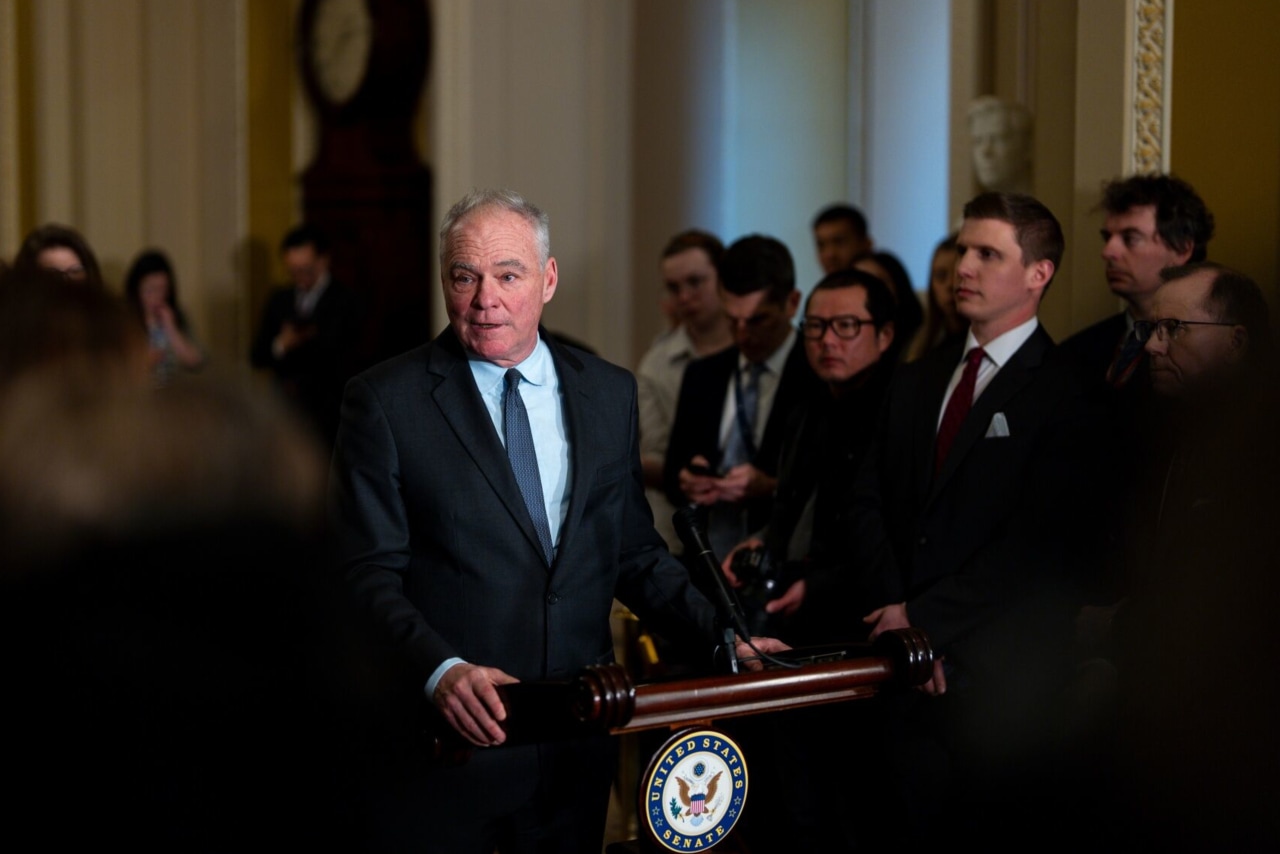
WAR POWERS—The recent Iran attacks have sparked a heated debate among lawmakers, with Democrats pushing for a vote to curb President Trump’s war powers. This move is seen as an attempt to promote diplomacy and avoid further escalation of tensions between the US and Iran.
The Democratic lawmakers’ stance on Iran attacks is rooted in their belief that such actions are illegal and undermine the country’s diplomatic efforts. By seeking to curb the President’s war powers, they aim to ensure that any future military actions are subject to Congressional approval and oversight.
The Legal Implications of Iran Attacks
The legality of Iran attacks is a complex issue, with different interpretations of international law and the US Constitution. Democratic lawmakers argue that such attacks are illegal, as they were not authorized by Congress. This stance is based on the War Powers Resolution of 1973, which requires the President to consult with Congress before engaging in military action.
The War Powers Resolution is a federal law that was enacted in the aftermath of the Vietnam War, with the aim of preventing the President from unilaterally committing the country to military action. The law requires the President to notify Congress within 48 hours of deploying troops into combat, and to obtain Congressional approval for any military action that lasts more than 60 days.
In the context of Iran attacks, the legality of such actions is further complicated by the fact that they were carried out without explicit Congressional approval. While the President has the authority to respond to imminent threats, the scope of this authority is limited and subject to interpretation. Democratic lawmakers argue that the Iran attacks exceeded this authority, and that they were therefore illegal.
The legal implications of Iran attacks are far-reaching, with potential consequences for the US and its allies. If the attacks are deemed illegal, it could undermine the legitimacy of the US military action and create a precedent for future unauthorized military interventions. On the other hand, if the attacks are deemed legal, it could embolden the President to take further unilateral action, potentially leading to a escalation of tensions with Iran.
Ultimately, the legality of Iran attacks will depend on the interpretation of the War Powers Resolution and other relevant laws. However, one thing is clear: the Democratic lawmakers’ push to curb the President’s war powers is driven by a desire to promote diplomacy and avoid further escalation of tensions with Iran. By seeking to ensure that any future military actions are subject to Congressional approval and oversight, they aim to prevent unauthorized military interventions and promote a more peaceful resolution to the conflict.
The Role of Diplomacy in Resolving the US-Iran Conflict
Diplomacy plays a crucial role in resolving the US-Iran conflict, with both sides seeking to avoid further escalation of tensions. The Democratic lawmakers’ push to curb the President’s war powers is seen as an attempt to promote diplomacy and avoid further military action.
Diplomacy is a complex and nuanced process, requiring careful negotiation and compromise between different parties. In the context of the US-Iran conflict, diplomacy is further complicated by the fact that both sides have fundamentally different views on key issues, such as Iran’s nuclear program and its regional influence.
Despite these challenges, diplomacy remains the best option for resolving the conflict peacefully. By engaging in diplomatic talks, the US and Iran can work towards a mutually beneficial agreement that addresses the concerns of both sides. This could involve a range of measures, including the lifting of economic sanctions, the establishment of a nuclear deal, and the promotion of regional security.
The Democratic lawmakers’ support for diplomacy is driven by a desire to avoid further military action and promote a peaceful resolution to the conflict. By seeking to curb the President’s war powers, they aim to ensure that any future military actions are subject to Congressional approval and oversight, and that diplomacy is given a chance to succeed.
Ultimately, the success of diplomacy in resolving the US-Iran conflict will depend on the willingness of both sides to engage in good-faith negotiations and compromise. This will require a range of measures, including the establishment of trust, the promotion of mutual understanding, and the identification of common interests. By working together, the US and Iran can build a more peaceful and stable relationship, and avoid further escalation of tensions.
The Impact of War Powers on US Foreign Policy
The war powers of the US President have a significant impact on the country’s foreign policy, with implications for the use of military force and the promotion of diplomacy. The Democratic lawmakers’ push to curb the President’s war powers is driven by a desire to promote diplomacy and avoid further military action.
The war powers of the US President are rooted in the Constitution, which grants the President the authority to serve as Commander-in-Chief of the armed forces. However, this authority is limited by the War Powers Resolution, which requires the President to consult with Congress before engaging in military action.
The impact of war powers on US foreign policy is far-reaching, with implications for the country’s relationships with other nations and its role in international affairs. By granting the President the authority to use military force without Congressional approval, the war powers can create a sense of uncertainty and unpredictability, making it difficult for other nations to engage in diplomatic talks with the US.
On the other hand, by promoting diplomacy and avoiding military action, the US can build stronger relationships with other nations and promote a more peaceful and stable international order. This is the goal of the Democratic lawmakers’ push to curb the President’s war powers, which seeks to ensure that any future military actions are subject to Congressional approval and oversight.
Ultimately, the impact of war powers on US foreign policy will depend on the ability of the President and Congress to work together to promote the country’s interests and values. By engaging in diplomatic talks and avoiding military action, the US can build a more peaceful and stable relationship with other nations, and promote a more prosperous and secure world.
