90% of Americans Feel the Pinch of High Prices as Iran Conflict Threatens Cheap Gasoline
- The Iran conflict may lead to higher gas prices, increasing US inflation.
- Oil prices have surged after the US and Israel launched attacks against Iran.
- The conflict could disrupt oil supplies, leading to higher prices at the gas pump.
The Delicate Balance of the US Economy
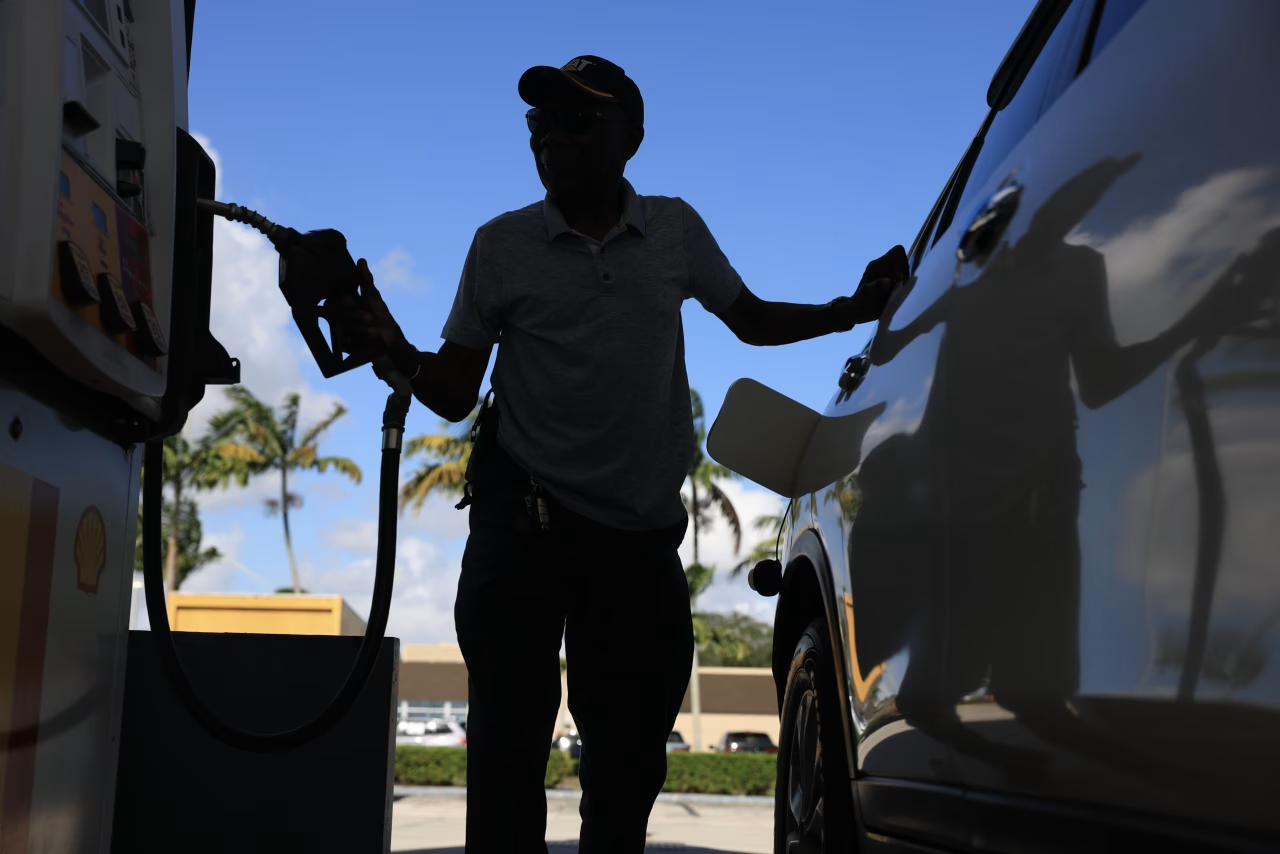
IRAN CONFLICT—Americans have recently found relief in cheap gasoline, offsetting the sticker shock of high prices at the grocery store and beyond. However, the Iran conflict threatens to disrupt this balance, potentially leading to higher prices at the pump and increased overall inflation. The primary keyword, US inflation, is closely tied to the conflict’s impact on oil prices.
The US economy has been experiencing high prices, and the Iran conflict may exacerbate this issue. As oil prices surge, the effects will be felt across various industries, from transportation to manufacturing, ultimately affecting the average consumer and the overall US inflation rate.
Understanding the Iran Conflict’s Impact on Oil Prices
The recent attacks on Iran by the US and Israel have led to a surge in oil prices, with diesel and gasoline futures also increasing. This surge in oil prices may lead to higher gas prices, affecting the average American’s daily commute and expenses. The primary keyword, US inflation, is closely tied to the conflict’s impact on oil prices, as higher oil prices can lead to increased production costs and, ultimately, higher prices for consumers.
According to experts, the conflict’s progression will play a significant role in determining the extent of the oil price increase. If the conflict escalates, it may lead to a more substantial disruption of oil supplies, resulting in even higher prices. The US inflation rate, which has been a concern for many Americans, may be further affected by these developments.
The Potential Effects on US Inflation
The Iran conflict’s impact on oil prices may have far-reaching consequences for the US economy, particularly with regards to US inflation. As oil prices increase, production costs for various industries may rise, leading to higher prices for consumers. This, in turn, may contribute to a higher overall inflation rate, affecting the purchasing power of Americans and the overall health of the economy.
Experts warn that the conflict’s effects on US inflation will depend on several factors, including the duration and severity of the conflict, as well as the response of other oil-producing countries. The primary keyword, US inflation, is closely tied to these developments, and understanding its implications is crucial for assessing the conflict’s Economic Impact.
The Role of Geopolitics in Shaping Oil Prices
The Iran conflict is not an isolated event, but rather part of a complex web of geopolitical tensions in the region. The surge in oil prices is, in part, a response to the increased uncertainty and risk associated with the conflict. As the situation unfolds, the actions of other countries, including oil-producing nations, will play a significant role in determining the trajectory of oil prices and, by extension, US inflation.
The primary keyword, US inflation, is closely tied to the geopolitical developments in the region, and understanding these dynamics is essential for assessing the conflict’s economic implications. The interplay between geopolitics, oil prices, and US inflation will be crucial in shaping the economic landscape in the coming months.
The Impact on American Consumers
The potential increase in gas prices and US inflation will have a direct impact on American consumers, affecting their daily lives and expenses. As prices rise, consumers may need to adjust their budgets, potentially reducing spending in other areas. The primary keyword, US inflation, is closely tied to the conflict’s impact on consumer prices, and understanding its implications is crucial for assessing the economic effects on households.
Experts warn that the conflict’s effects on US inflation may be felt across various industries, from food to transportation, and that consumers should be prepared for potential price increases. The primary keyword, US inflation, is a key factor in understanding the conflict’s economic implications and the resulting effects on American consumers.
Navigating the Uncertain Economic Landscape
The Iran conflict has introduced a new level of uncertainty into the US economic landscape, making it challenging to predict the future trajectory of oil prices and US inflation. As the situation unfolds, it is essential to closely monitor developments and assess their implications for the economy. The primary keyword, US inflation, is a critical factor in understanding the conflict’s economic effects and the resulting challenges for policymakers and consumers alike.
Experts recommend that consumers and businesses remain vigilant, preparing for potential price increases and adjusting their strategies accordingly. By understanding the complex interplay between geopolitics, oil prices, and US inflation, individuals can better navigate the uncertain economic landscape and make informed decisions about their financial futures.
Frequently Asked Questions
Q: How will the Iran conflict affect US gas prices?
The conflict may lead to higher gas prices due to surging oil prices and diesel and gasoline futures.
Q: What is the potential impact of the Iran conflict on US inflation?
The conflict could lead to higher overall inflation, depending on its progression and the resulting oil price increases.
Q: Why are oil prices surging after the US and Israel attacks on Iran?
Oil prices are surging due to the potential disruption of oil supplies and increased geopolitical tensions in the region.
