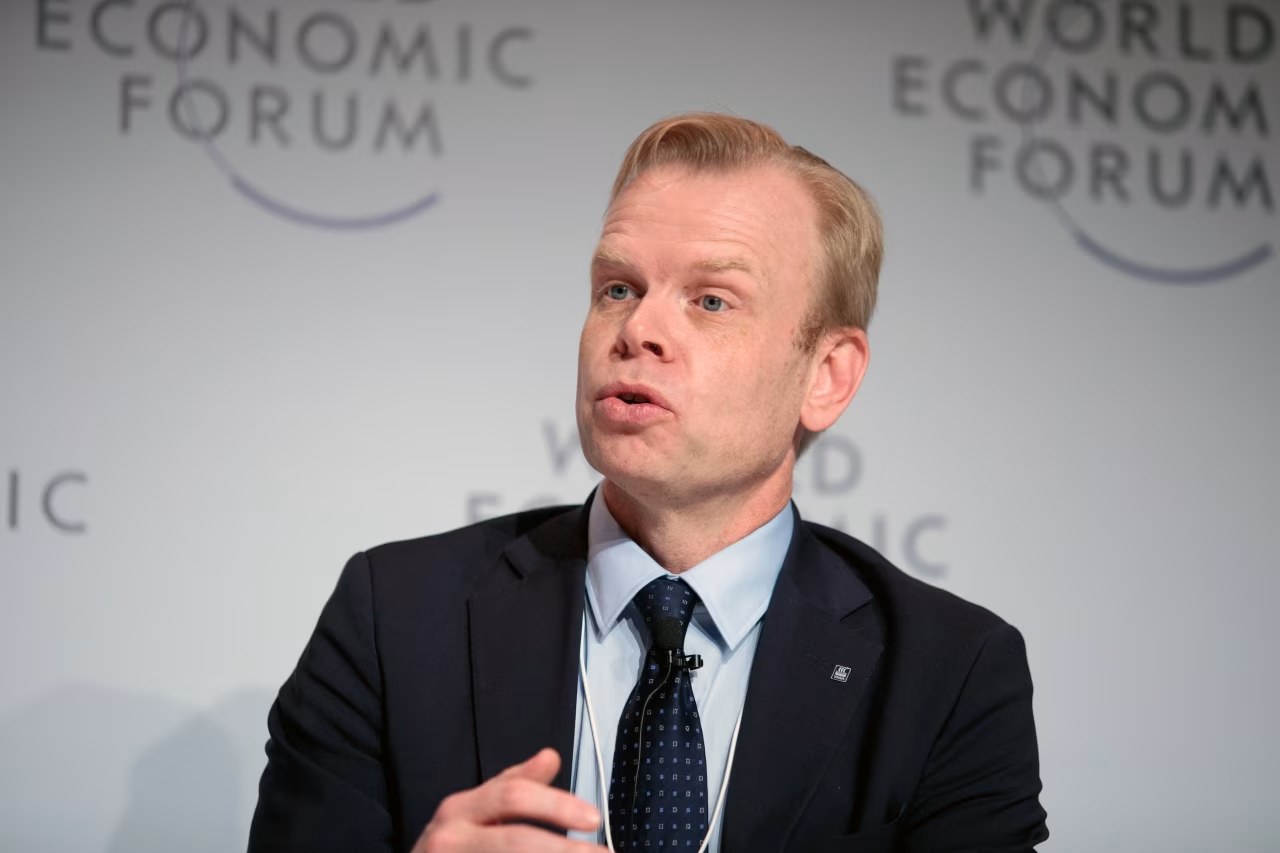
Yara warns that a 78% fertilizer price surge is squeezing farmers worldwide
- Fertilizer prices have risen 78% since the start of 2023, outpacing crop price growth.
- Yara CEO Svein Tore Holsether says input costs are “significantly higher, crop prices are not.”
- Middle‑East war‑related natural‑gas disruptions are the primary catalyst.
- Farmers in Europe and Asia are already cutting fertilizer use, risking lower yields.
Why the surge matters for global food security
YARA—Yara International, the Norwegian fertilizer giant, sounded the alarm on Tuesday, warning that the unprecedented rise in fertilizer costs is putting farmers in a “real squeeze.” The statement came as the company’s chief executive, Svein Tore Holsether, highlighted the twin pressures of soaring input costs and stagnant crop prices.
Holsether’s comments echo a broader market narrative: natural‑gas prices— the backbone of nitrogen‑based fertilizer production— have spiked after the Middle‑East conflict curtailed supplies, pushing the global nitrogen fertilizer price index to record levels.
Analysts fear that if the trend continues, the cost pressure could force a scale‑back in fertilizer applications, eroding yields at a time when the world needs to feed an additional 2 billion people by 2050.
The Anatomy of the Fertilizer Price Surge
Energy, geopolitics and supply chain bottlenecks
Since early 2023, the price of urea, ammonium nitrate and other nitrogen fertilizers has surged by roughly 78%, according to the FAO Fertilizer Market Report 2023. The report links the spike to three inter‑related forces: a sharp rise in natural‑gas spot prices, export curbs from major producers, and logistical bottlenecks caused by the war in the Middle East.
Natural‑gas is the primary feedstock for ammonia, the building block of most nitrogen fertilizers. Reuters documented that European gas contracts jumped from €20 per megawatt‑hour in 2022 to over €70 by the summer of 2023, a more than three‑fold increase. The surge in energy costs translates directly into higher production costs for firms like Yara, which derives roughly 60% of its ammonia from natural‑gas‑based processes.
Compounding the energy shock, the conflict has forced several Gulf exporters to prioritize domestic consumption, reducing the volume of gas available for fertilizer plants in the region. A Bloomberg analysis noted that Saudi Arabia’s gas‑to‑ammonia conversion capacity fell by 15% in the first half of 2023, tightening global supply.
Supply‑chain experts at the International Fertilizer Association (IFA) warn that the combination of higher feedstock costs and reduced export capacity has compressed global fertilizer inventories to their lowest level in a decade. In a June 2024 interview, IFA senior analyst Dr. Maria Lopez said, “We are seeing a perfect storm: higher input costs, lower supply, and a market that cannot absorb the shock without price adjustments.”
These dynamics have a cascading effect on downstream users. The World Bank’s Agricultural Outlook 2024 estimates that a 10% rise in fertilizer prices can shave 0.5% off wheat yields, a figure that multiplies across staple crops. The price surge therefore threatens not only farmer profitability but also broader food‑security goals.
Understanding the anatomy of the surge helps frame Yara’s strategic response, which we explore in the next chapter.
Yara’s Diversification Strategy – A Stat Card Snapshot
Investing in green ammonia and renewable energy contracts
Yara’s 2023 annual report reveals a decisive pivot toward reducing its reliance on fossil‑based natural gas. The company announced a €2.5 billion investment in green‑ammonia projects across Europe and North America, aiming to produce up to 1 million tonnes of carbon‑neutral ammonia by 2030.
Financially, the shift is reflected in a modest 4% decline in operating profit despite the fertilizer price surge. The report shows a net loss of $1.2 billion for the year, largely attributable to a $3.4 billion litigation charge unrelated to the price issue. However, Yara’s “Energy Transition” segment generated €350 million in revenue, up 22% year‑over‑year, indicating early traction.
CEO Svein Tore Holsether emphasized that diversification is not a hedge against price volatility alone but a long‑term resilience strategy. In a Bloomberg interview, Holsether said, “Our aim is to decouple production cost from volatile gas markets while delivering sustainable solutions to farmers.”
The stat card below captures the headline figure that Yara hopes will anchor its narrative: the company’s projected reduction of natural‑gas exposure by 30% by 2025.
Regional Impact: How the Middle East Conflict Rippleed Through Global Markets
Price differentials across continents
While the global fertilizer price index surged, the magnitude of the increase varied sharply by region. Data from the FAO shows that Europe experienced an average price jump of 82%, whereas Asia’s increase was 71% and North America’s 65%.
These disparities stem from differing exposure to natural‑gas imports and local policy responses. Europe, heavily dependent on Russian gas, felt the brunt of supply cuts after the war began. In contrast, Asian markets, though also import‑reliant, benefitted from diversified supply chains that included Middle‑East and North‑African exporters.
Yara’s own sales data illustrate the regional spread. The company’s European segment reported a 12% decline in volume sold in 2023, while its Asian segment held steady, reflecting farmers’ willingness to absorb higher costs in markets with tighter food‑security constraints.
Economist Dr. Ahmed El‑Sayed of the International Food Policy Research Institute (IFPRI) warned that “regions with the steepest price spikes are likely to see the greatest reductions in fertilizer use, which could translate into lower grain yields and higher food prices.”
The bar chart below visualizes the price increase by region, highlighting Europe’s outsized exposure.
What Does This Mean for Farmers? Are Yields at Risk?
From input cost to field output
Farmers’ decisions in response to the fertilizer price surge are already shaping crop forecasts. A USDA survey conducted in March 2024 found that 38% of U.S. corn growers plan to reduce nitrogen applications by at least 10%, citing cost pressures. Similar trends are emerging in the EU, where the European Farmers’ Union reported a 27% cut in fertilizer purchases across member states.
These reductions have measurable implications. The International Fertilizer Association’s 2024 outlook predicts that a 10% cut in nitrogen use could reduce global wheat yields by 0.8% and maize yields by 1.1% on average. In monetary terms, the World Bank estimates a potential $12 billion loss in agricultural output for 2024 if current trends persist.
Yara’s own market analysis, presented at its 2024 Investor Day, warned that “if fertilizer use falls below 90% of pre‑surge levels, we could see a 5‑7% dip in global cereal production.” The company is therefore lobbying governments for subsidies and credit facilities to keep fertilizer accessible.
To illustrate the price trajectory, the line chart below tracks the global nitrogen fertilizer price index from January 2022 through June 2024, showing a steep climb after the war’s onset in October 2023.
Policy Responses and the Road Ahead for the Fertilizer Sector
Government subsidies, strategic reserves, and green incentives
In response to the price shock, several governments have rolled out emergency measures. The European Commission announced a €3 billion “Fertilizer Resilience Fund” in April 2024, aimed at subsidizing nitrogen purchases for small‑holder farms. Meanwhile, the United States Department of Agriculture introduced a temporary 20% rebate on fertilizer purchases for crops destined for export.
Beyond subsidies, policy makers are also encouraging a shift toward low‑carbon fertilizers. The International Energy Agency (IEA) estimates that green‑ammonia could account for 15% of global ammonia production by 2030 if current incentives continue. Countries such as Norway and Germany have introduced tax credits for producers that meet a minimum share of renewable‑energy‑based ammonia.
Yara, positioned as a pioneer in green‑ammonia, stands to benefit from these policies. Its 2024 sustainability roadmap projects a 40% increase in green‑ammonia capacity by 2027, supported by both public funding and private investment.
The donut chart below breaks down the composition of policy tools deployed worldwide, showing that direct subsidies dominate (55%) but that green‑technology incentives are gaining traction (30%).
Frequently Asked Questions
Q: What is driving the current fertilizer price surge?
The surge is fueled by disrupted natural‑gas supplies, higher energy costs, and export restrictions linked to the Middle East war, which together push nitrogen‑based fertilizer costs up by more than 70% since early 2023.
Q: How are higher fertilizer costs affecting farmers worldwide?
Farmers face tighter margins as input costs climb faster than crop prices, prompting many to cut fertilizer use, delay planting or switch to lower‑yield varieties, which could shave 5‑10% off global cereal output.
Q: What steps is Yara taking to mitigate the price squeeze?
Yara is diversifying its energy mix, expanding green‑ammonia projects, and securing long‑term natural‑gas contracts to lower production costs, a strategy outlined by CEO Svein Tore Holsether in recent interviews.
